How to Understand Your Employer’s 401(k) Match

Understanding your 401(k) employer match can feel confusing, especially when you’re trying to figure out how much you should contribute. An employer match can help you build your retirement savings faster, but it’s important to understand how a 401(k) works before looking at the matching formula, contribution limits, timing, and vesting schedule.
Plan documents govern
Retirement rules set a framework, but each employer plan can differ in eligibility, contribution timing, vesting, investments and distribution options. Use this guide to frame questions, then confirm the answer in the summary plan description and with the plan administrator. A choice about money you may need soon deserves particular care because a retirement account is designed for a longer horizon.
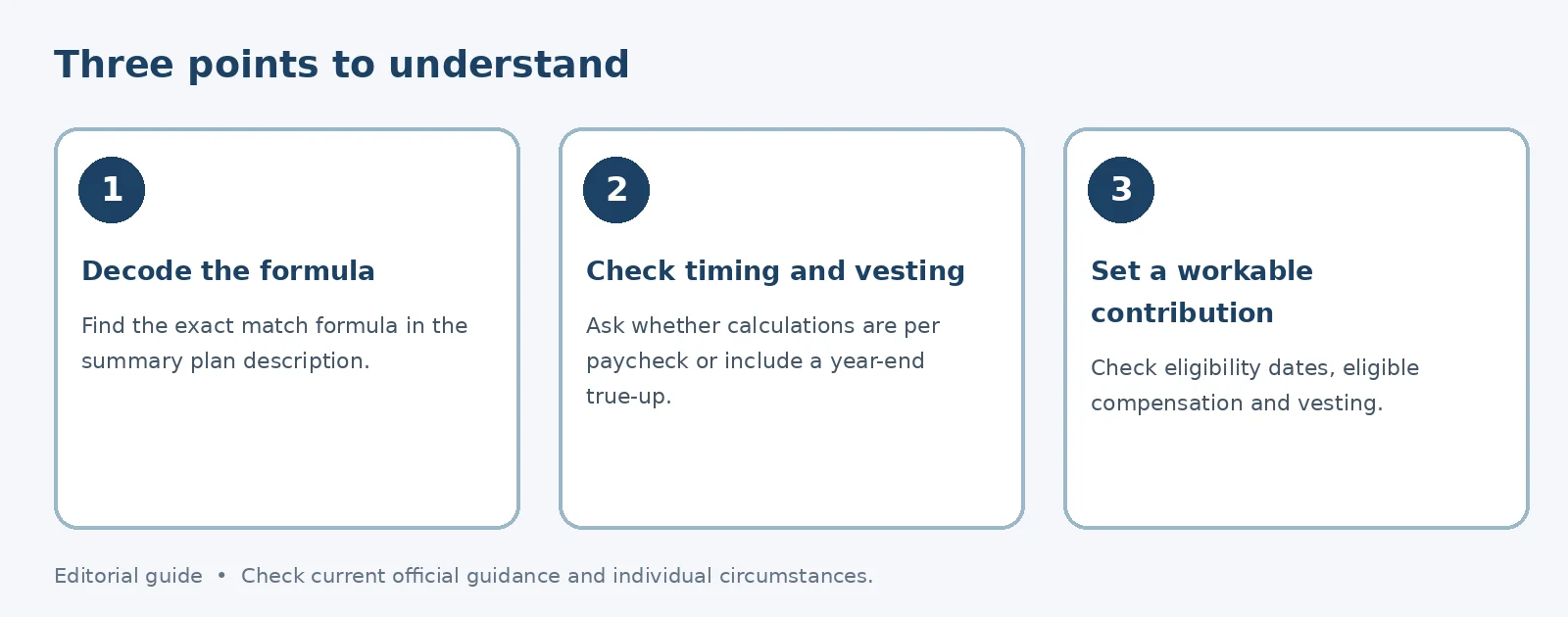
Figure 1. Three key points in this guide.
How Does a 401(k) Employer Match Work?
A common 401(k) employer match formula is “50% of contributions up to 6% of pay.” If annual eligible pay is $60,000 and you defer 6%, your contribution is $3,600 and the match is $1,800 under that formula. Contributing 3% would yield $900 of employee savings and $900 of matching money. Your employer may use another formula, a dollar cap, or no match at all.
When Does an Employer 401(k) Match Vest?
Some plans calculate the employer 401(k) match each paycheck. Others make an annual contribution or true-up, with conditions that may include employment at a particular date.
Your own salary deferrals are immediately vested; employer contributions can follow a vesting schedule. A displayed account balance can therefore differ from the amount you keep if you leave today.
How Much Should You Contribute to Get the Full 401(k) Match?
Compare the contribution needed for the full match with your budget, high-interest debt and emergency needs. A percentage that earns the match is a useful starting point for many workers, but never assume it is the right amount for every household. If your pay changes or you approach an annual deferral limit, confirm whether payroll will preserve match eligibility through year-end.
How to Maximize Your 401(k) Employer Match
To maximize your 401(k) employer match, start with the first action below, then work through the others Write down the costs, limits, timing and questions that apply to you. If an account or offer is unclear, consult its official terms or a qualified professional before committing money. Revisit the choice when your circumstances or published rules change.
- Find the exact match formula in the summary plan description.
- Ask whether calculations are per paycheck or include a year-end true-up.
- Check eligibility dates, eligible compensation and vesting.
- Review payroll elections after raises and job changes.
Common mistakes to avoid
A familiar 401(k) employer match label can hide material differences in price, access, tax treatment or risk. Do not assume an illustration predicts your outcome or that today’s rates and terms will remain available. Keep copies of the relevant disclosure and compare alternatives against the same goal and time horizon. When a decision could create a tax bill, lost benefit or large borrowing cost, pause for individual advice.
Frequently Asked Questions About 401(k) Employer Match
1. Will Roth 401(k) contributions earn an employer match?
They can if the plan matches those employee deferrals; how the employer contribution is taxed depends on the plan.
2. How much should I contribute to get my full 401(k) employer match?
Check your plan’s matching formula to determine the contribution percentage needed to receive the full employer match. For example, if your employer matches 50% of contributions up to 6% of your pay, contributing at least 6% would generally allow you to receive the full match under that formula.
3. Is a 401(k) employer match free money?
An employer match is an employer contribution to your retirement account based on the plan’s rules. While it can significantly increase your retirement savings, you should review the specific matching formula, eligibility requirements and vesting schedule rather than assuming every plan works the same way.
Editorial note and sources
This U.S.-focused finance article is general education, not individualized investment, tax or legal advice. GrowthVista Media may earn a commission from links if offers are added later. No product is endorsed here. Sources were checked in September 2026; review current guidance and obtain qualified individual advice where appropriate.