Balanced Plate: Build a Flexible Meal With Everyday Foods
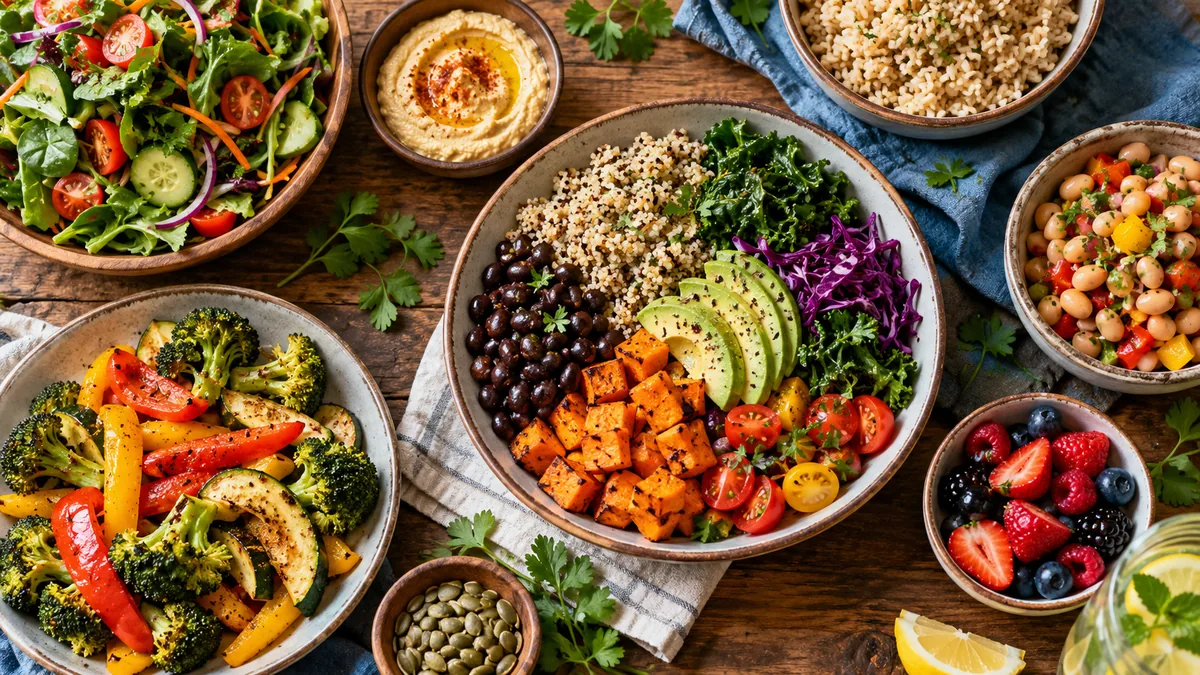
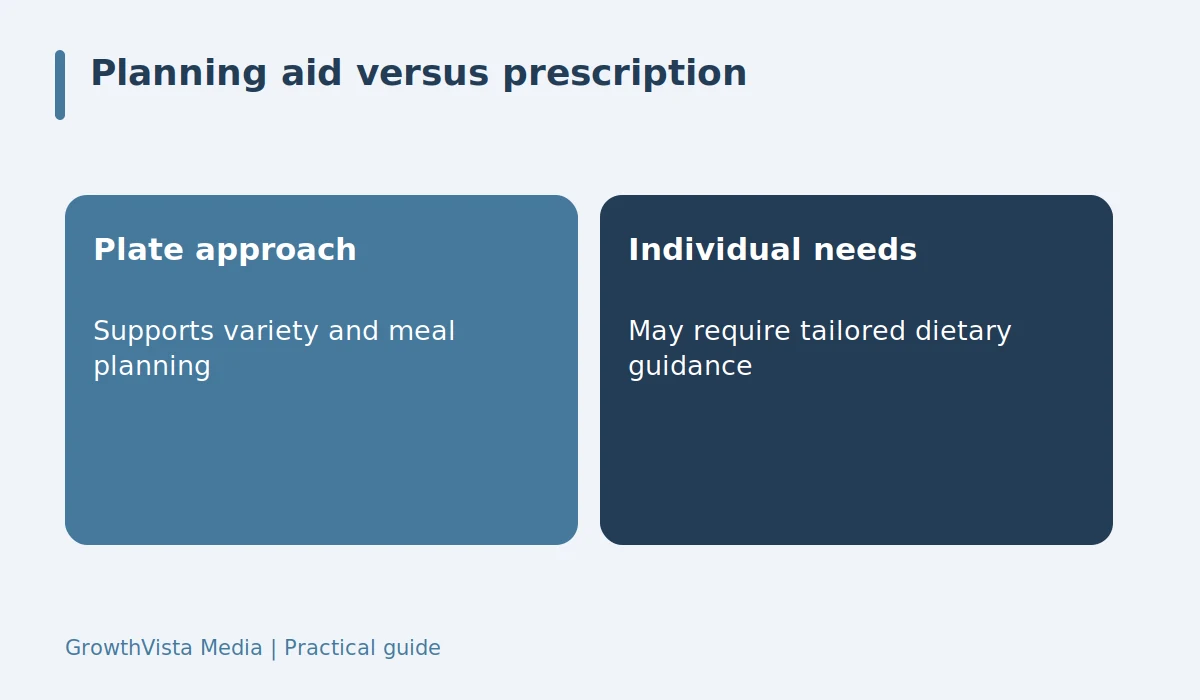
A balanced plate is a planning aid for a varied meal, not a rule requiring every dish to look identical. Think about the food groups represented and what could be added. A rice bowl, soup, sandwich, or shared family meal can still be reviewed this way. Choose foods that fit your preferences, access, and individual dietary needs.
Look at the meal as a whole
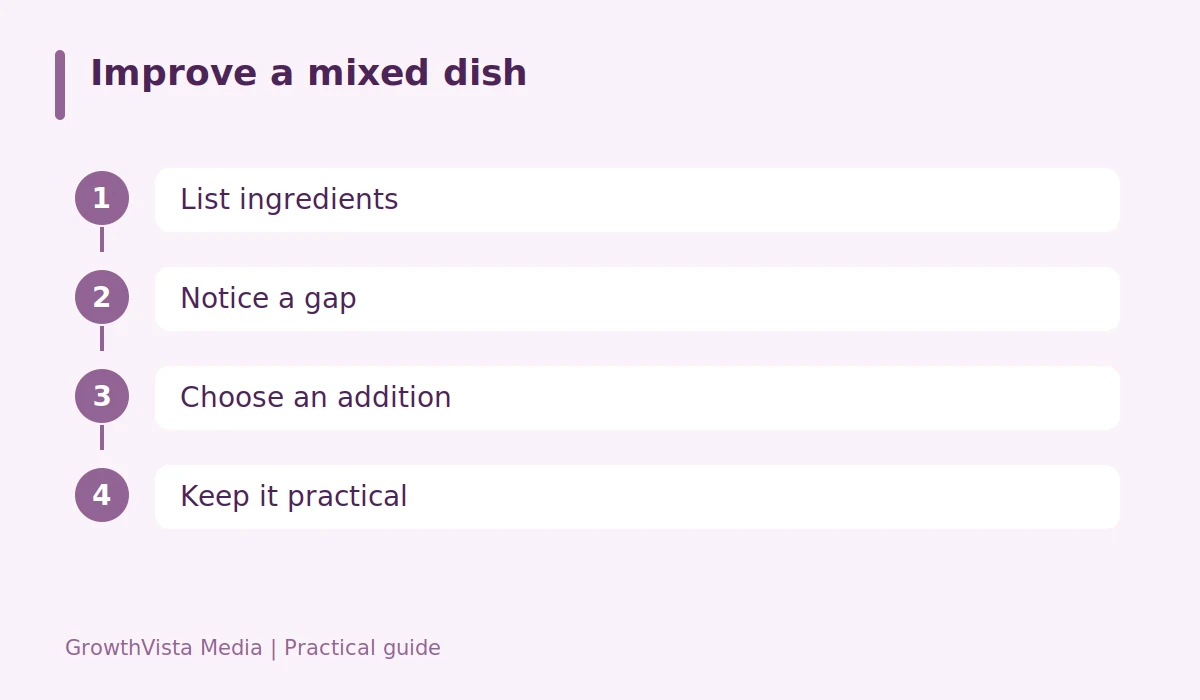
Start with the foods already on the table. Identify vegetables or fruit, a grain or other staple, and a protein source. Some ingredients contribute to more than one role. A mixed dish may not divide into neat sections, so review its ingredients instead. The purpose is to notice gaps and variety, not to judge a meal by its photograph.
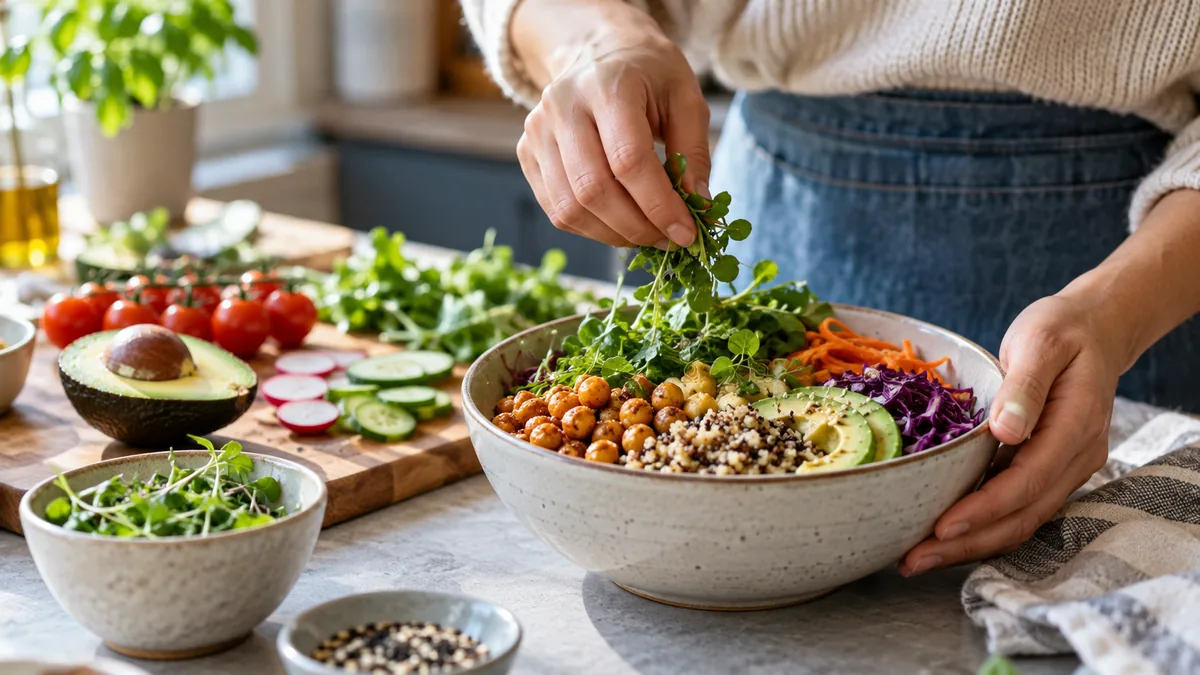
Balanced plate planning can include familiar staples
Keep foods your household uses, then add variety where it is practical. Beans, lentils, tofu, eggs, fish, or other suitable protein foods can complement grains and produce. Whole-grain options may be useful when available and acceptable. A change is more likely to last when the meal still feels familiar and can be prepared within the household’s time and budget.
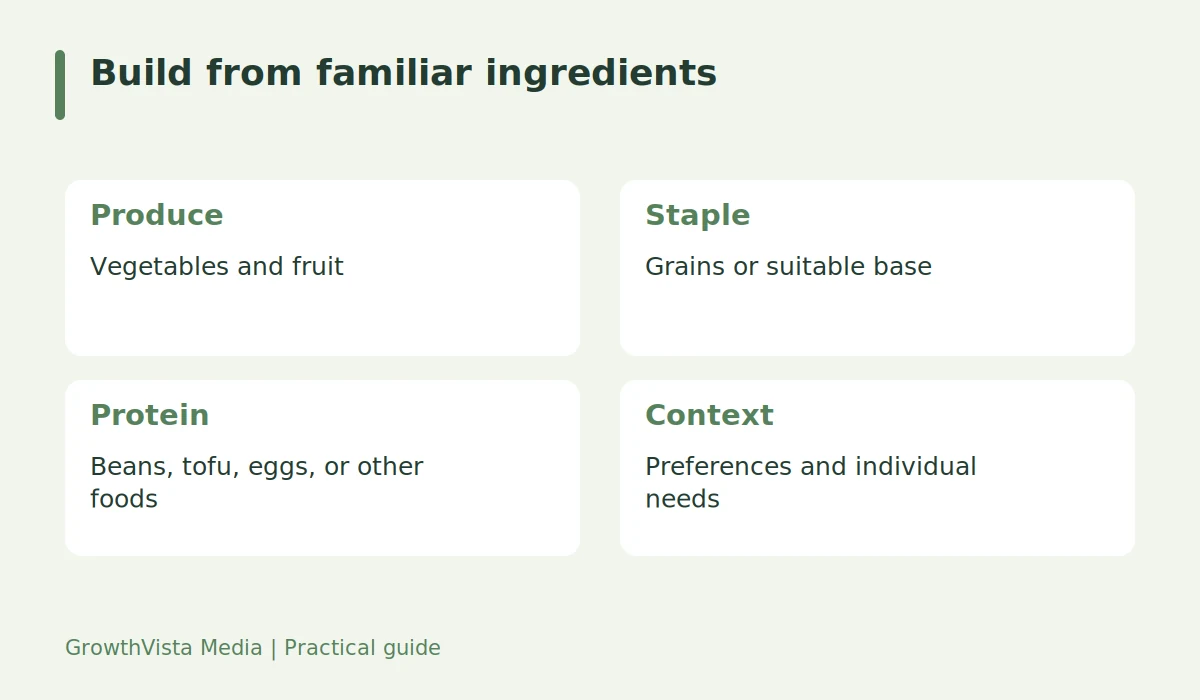
Use produce that you can actually keep
Fresh, frozen, and suitable canned options can each help with access and waste. Compare added ingredients and preparation needs. Plan around produce you enjoy and can use before it spoils. The most expensive or fashionable ingredient is not necessary for a varied meal. A reliable freezer or pantry option can make a busy evening easier.
Consider the rest of the day
One meal does not need to deliver every nutrient or match a diagram perfectly. Review the broader eating pattern, beverages, and practical hunger needs. Portions vary by person and circumstance. If a health condition, allergy, pregnancy, or treatment creates specific dietary requirements, use individual guidance rather than force a general plate idea to answer the medical question.
Make one useful addition
If the meal is mostly a staple, add a suitable protein food or vegetables. If it already has those, consider fruit or another missing food group elsewhere in the day. Keep a short list of easy combinations. The goal is a flexible routine that makes varied food available, not strict tracking or a promise about weight change.
A bowl-based meal example
A fictional dinner begins with rice and a sauce. Adding beans and a portion of cooked vegetables makes the ingredients more varied; fruit can be served alongside or at another meal. Different households could use tofu, eggs, fish, or another appropriate protein instead. This example explains meal assembly, not a personalized calorie or portion prescription.
Questions readers ask
Must every meal be divided into exact sections?
No. Mixed dishes and shared meals can be reviewed by ingredients. A plate model is a guide to variety, not a requirement for identical presentation.
Can a vegetarian meal be balanced?
Yes. Suitable legumes, soy foods, nuts, seeds, dairy or eggs where used, and other foods can support a varied pattern. Individual requirements still differ.
Are frozen vegetables acceptable?
They can be a practical option. Compare ingredients, storage, and preparation so the food fits the meal and is actually used.
Your next steps
- Identify the food groups already present.
- Add an appropriate missing component.
- Use familiar, affordable foods.
- Keep a freezer or pantry fallback.
- Adapt the approach to individual dietary needs.
Related guides: Protein Basics: Food Sources and Everyday Planning · Nutrition Label: Read Serving Size, Nutrients, and %DV · Meal Planning for Busy Weeks: A Flexible 5-Step Routine
Further reading
Editorial update: October 12, 2026. General educational information, not diagnosis or individualized treatment. Examples are illustrative; consult an appropriately qualified professional for personal health questions.