Protein Basics: Food Sources and Everyday Planning
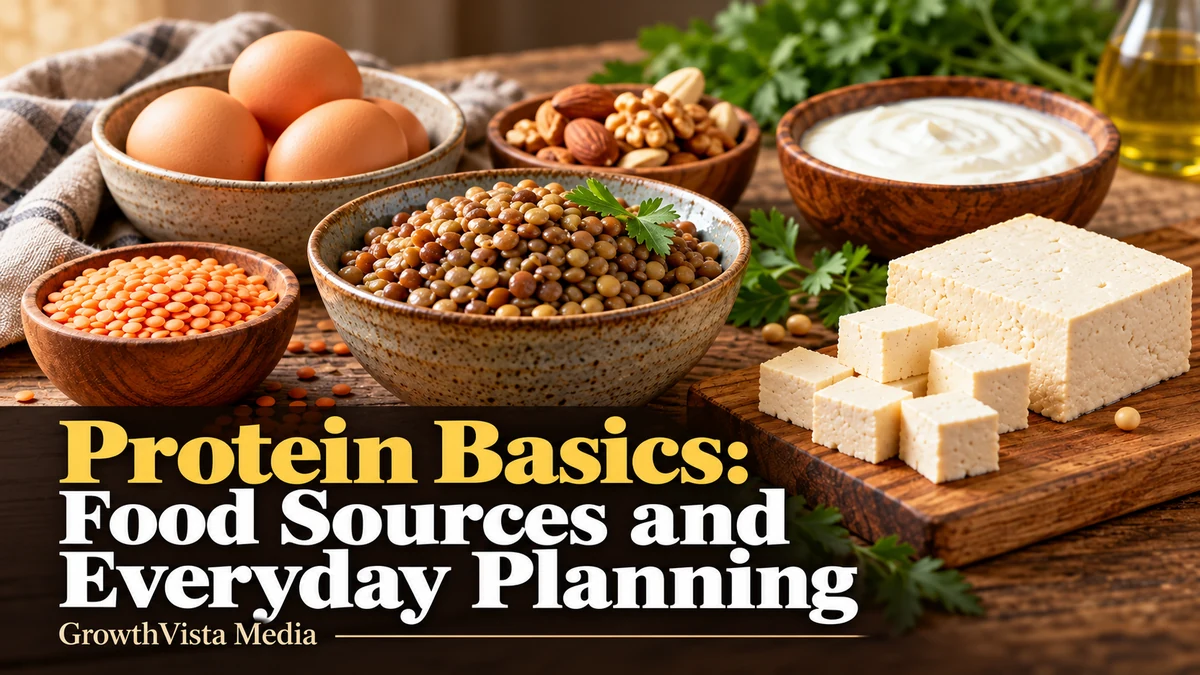
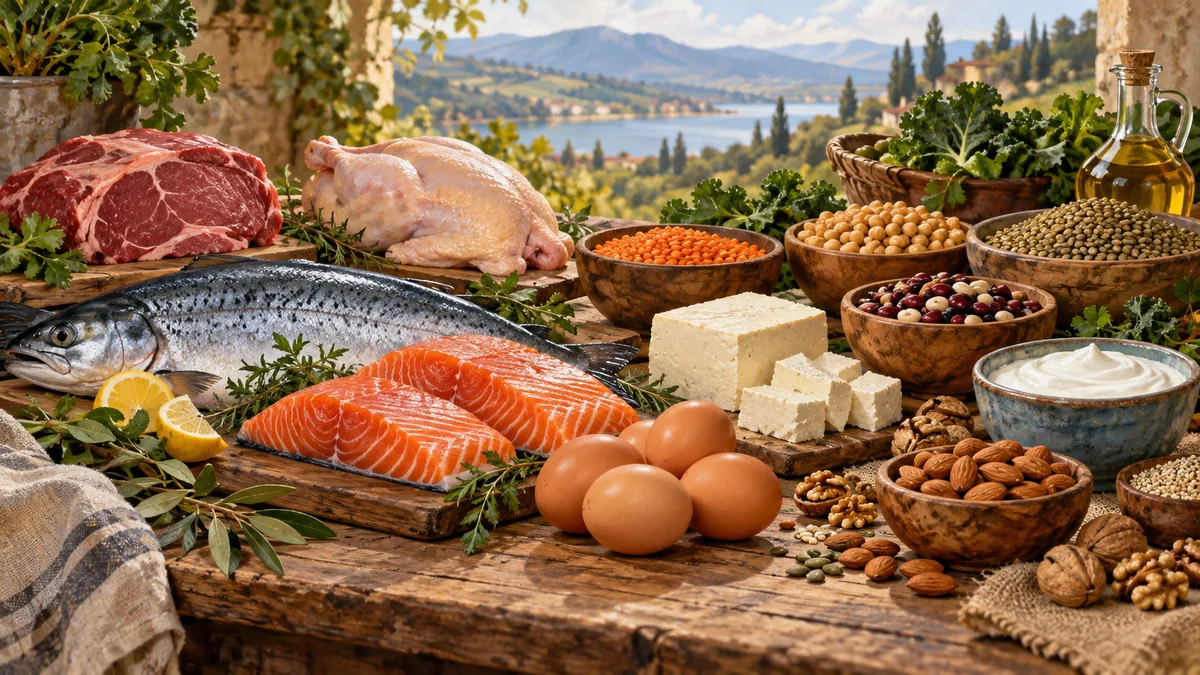
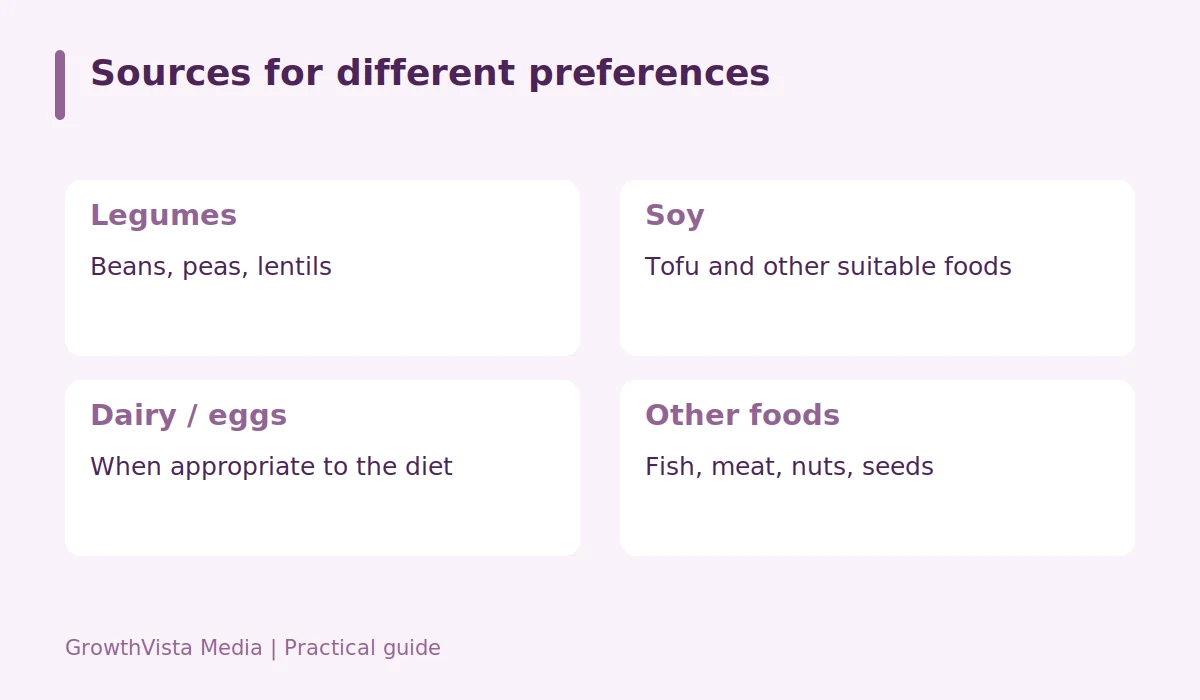
Protein basics begin with familiar foods, not only a shake or a large serving of meat. A varied eating pattern can include legumes, soy foods, dairy, eggs, fish, or other sources that fit your preferences. Think about meals you already eat and how they include protein, while recognizing that individual requirements depend on age, health, activity, and other circumstances.
Identify sources you already use
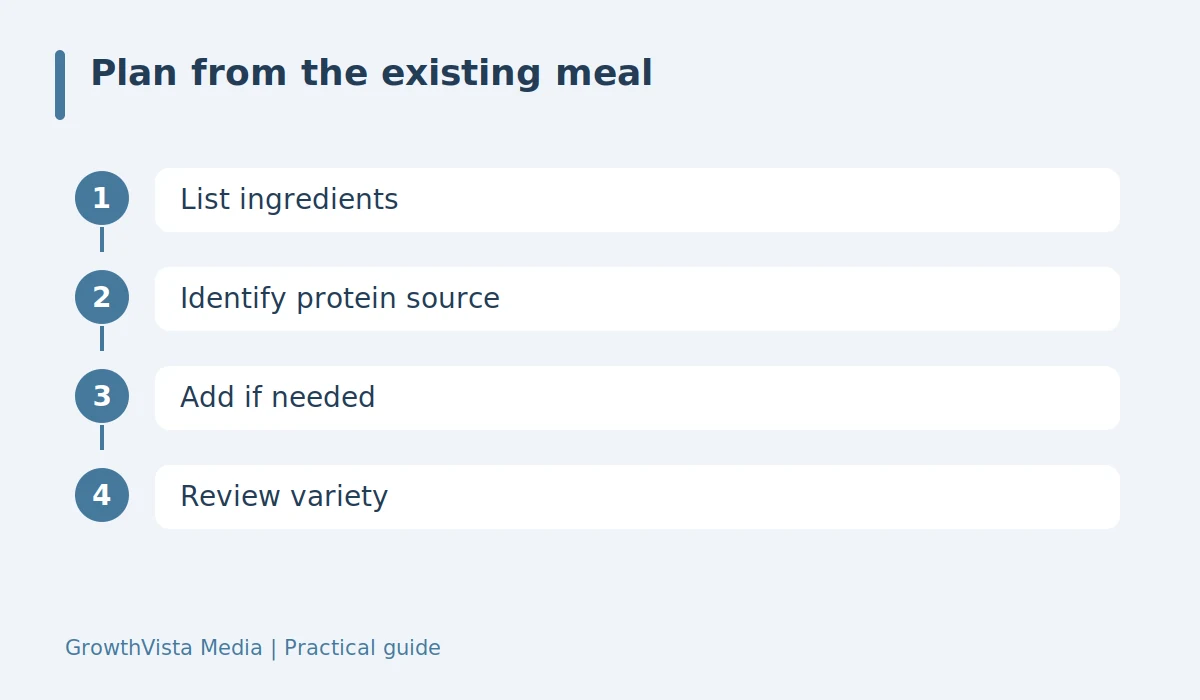
List the foods you enjoy and can obtain reliably. Beans, lentils, tofu, nuts, seeds, yogurt, eggs, and other choices can play different roles in meals. A food’s protein content is only one part of its nutritional profile. Compare preparation, cost, allergies, and the rest of the meal rather than ranking every ingredient by a single number.
Protein basics in mixed meals
A soup with lentils, a bowl with beans, or a meal with tofu can provide a practical protein component. You do not need to redesign every dish around a supplement. Keep a few combinations available for busy days. If meals are frequently missing a protein source, add a familiar ingredient rather than making an elaborate plan that is hard to prepare.
Compare labels on the same basis
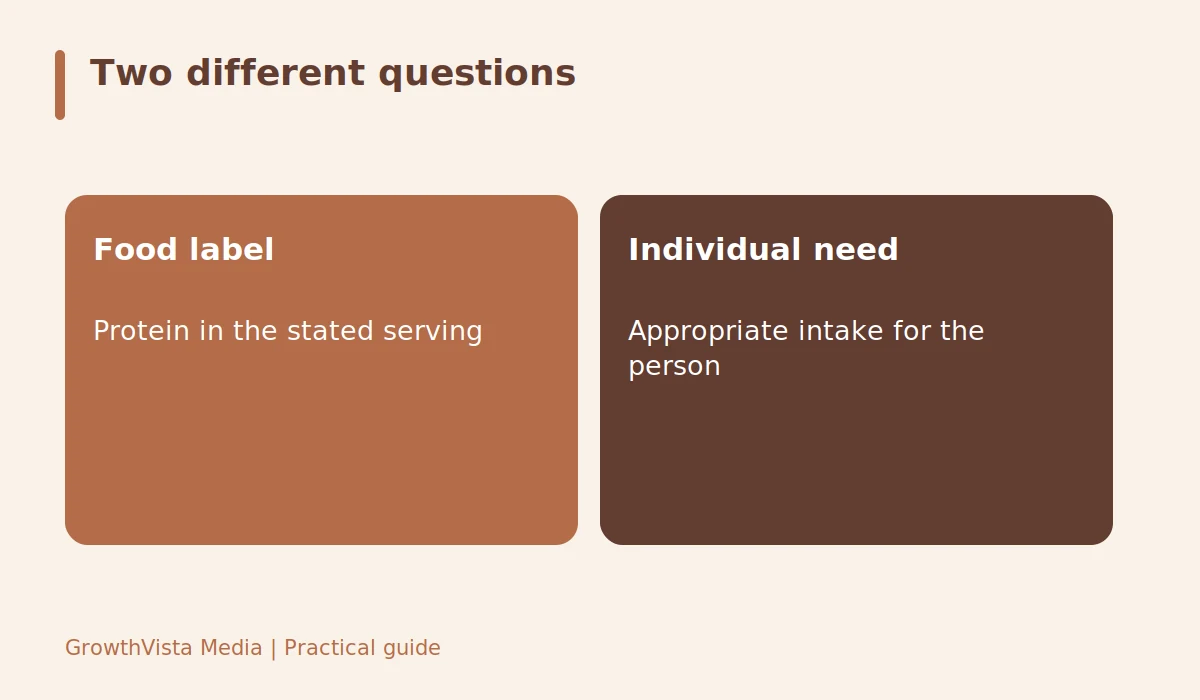
Packaged foods use stated serving sizes. Compare the protein amount per serving and how much you actually use. Two packages with different serving sizes are not a fair comparison from the large printed number alone. Review added ingredients and allergens as well. A protein claim does not establish that a food suits your preferences or individual dietary requirements.
Individual needs are not an internet competition
General advice cannot set the right intake for every person. Pregnancy, older age, athletic training, kidney disease, and other circumstances can require individualized consideration. Avoid adopting a high target simply because it appears in a fitness post. A qualified clinician or dietitian can help when needs are uncertain or a condition changes the usual approach.
Keep the routine varied and affordable
Use pantry, freezer, and fresh options that your household can store and prepare. Variety can make meals more enjoyable and contribute other nutrients. Plan leftovers safely and consider preparation time before buying in bulk. The most useful source is one you can include consistently without creating unnecessary cost or crowding out the rest of a varied diet.
Three ordinary meal ideas
A fictional planning list includes yogurt with oats at breakfast, a bean-and-vegetable bowl at lunch, and tofu with a grain and vegetables at dinner. The portions and combinations would need to fit the person. These are meal ideas rather than a calculated daily intake or medical diet. The example shows how a protein source can be present across ordinary meals without requiring powder.
Questions readers ask
Can plant foods provide protein?
Yes. Legumes, soy foods, nuts, seeds, and other foods can contribute. Review the overall eating pattern and individual requirements rather than assuming one ingredient must do everything.
Do I need protein powder?
Not automatically. It can be a convenience for some people, but food choices, actual needs, cost, and any medical considerations should be reviewed first.
Should I count grams every day?
Some situations benefit from tracking with guidance. Others can use meal planning. Choose the approach that answers a real need rather than creates unnecessary work.
Your next steps
- List familiar sources and dietary restrictions.
- Add a suitable source to meals that lack one.
- Compare labels using consistent serving amounts.
- Keep convenient pantry or freezer options.
- Seek tailored guidance when health changes the requirements.
Related guides: Balanced Plate: Build a Flexible Meal With Everyday Foods · Meal Planning for Busy Weeks: A Flexible 5-Step Routine · Protein Powder: Compare Products Without the Hype
Further reading
Editorial update: October 12, 2026. General educational information, not diagnosis or individualized treatment. Examples are illustrative; consult an appropriately qualified professional for personal health questions.