High-Yield Savings Accounts: 6 Checks Beyond APY

High-yield savings accounts can pay more interest than some ordinary savings products, but a headline APY is only one part of the comparison. Rates can change, access can vary, and fees can reduce the benefit. Evaluate the account against the purpose of the money: an emergency reserve needs reliable access, while a planned purchase may have a known date.
Read APY alongside its conditions
Annual percentage yield expresses a rate including compounding under stated assumptions. It is not a promise that a variable rate will remain unchanged for a year. Check whether the advertised APY requires a minimum balance, direct deposit, account activity, or a limited promotional period. Record the date of the rate information when comparing providers.

Translate a rate difference into money
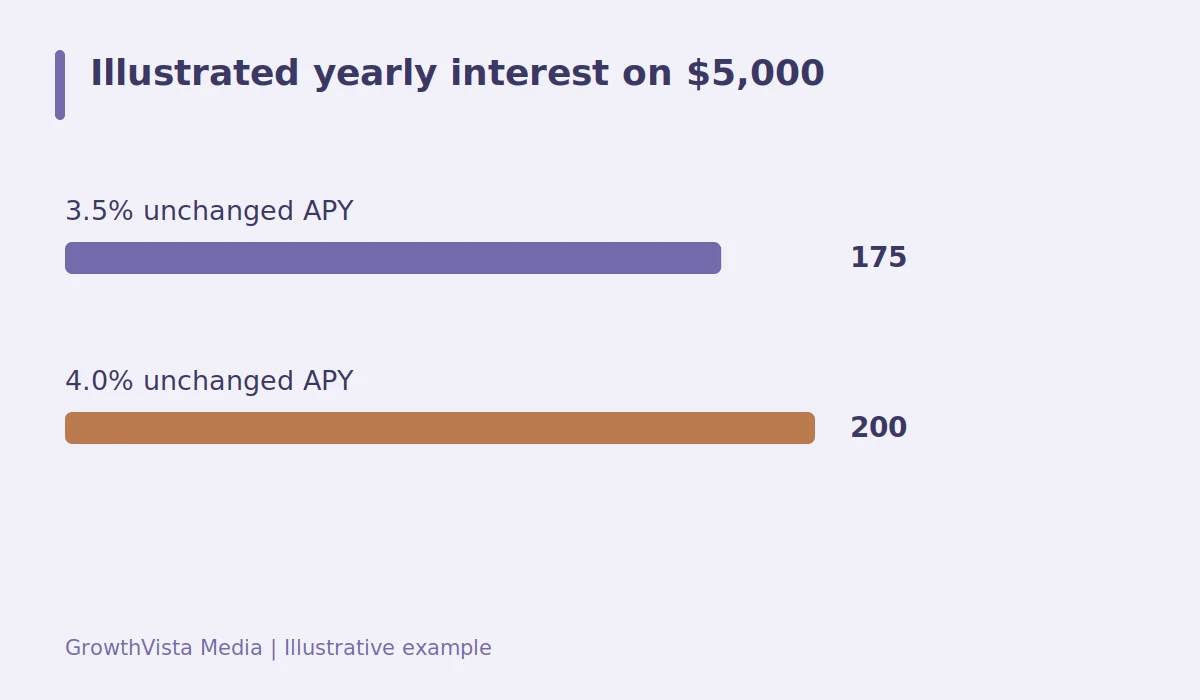
For a simplified comparison, assume a constant $5,000 balance and unchanged APYs of 3.5% and 4.0% for a year. The difference is approximately $25 of annual interest before taxes and fees. A $5 monthly fee would total $60 and exceed that difference. The rates are invented for the example, not current offers. Actual results depend on changing balances, rates, and account terms.
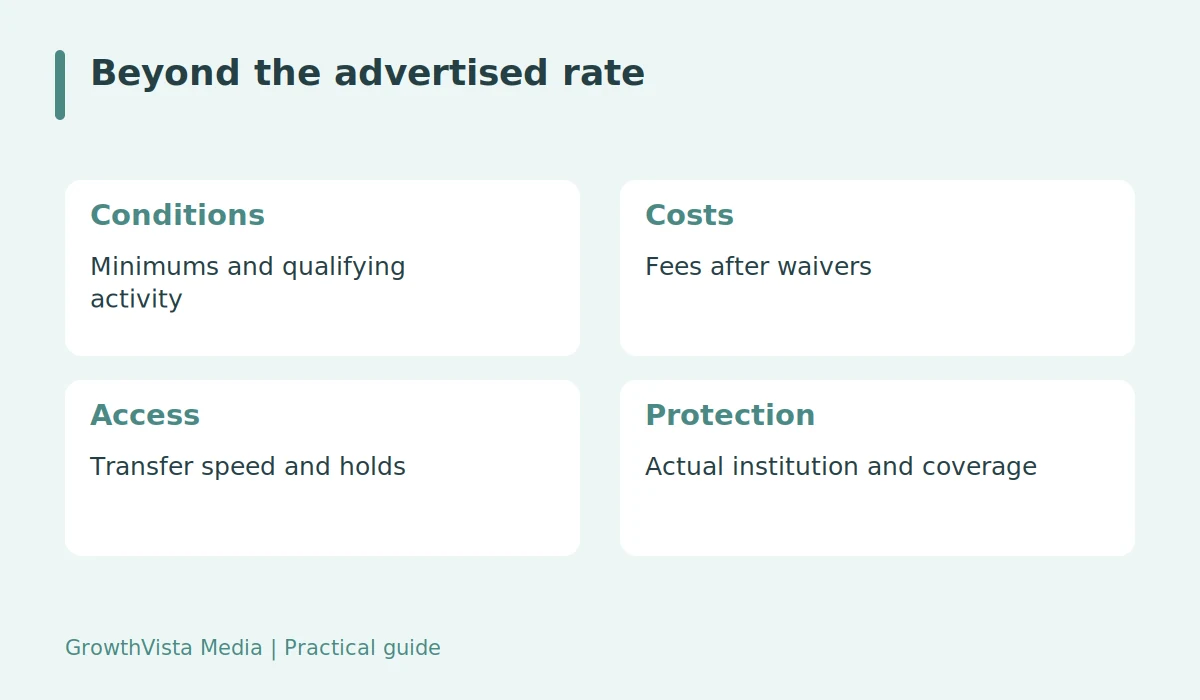
| Item | Detail |
|---|---|
| Conditions | Minimums and qualifying activity |
| Costs | Fees after waivers |
| Access | Transfer speed and holds |
| Protection | Actual institution and coverage |
Subtract realistic account costs
Check monthly fees, minimum-balance rules, transfer charges, and any related account costs. A small rate advantage may be worth less than a recurring fee. Use the balance you expect to keep, not the provider’s example balance. If a fee waiver requires direct deposit, confirm that your income arrangement qualifies before treating the account as free.
High-yield savings accounts need an access test
Compare transfer initiation, processing time, deposit holds, withdrawal methods, and customer support. The account with the highest advertised rate may be inconvenient when an urgent bill arrives. Link your ordinary payment account, complete verification, and test a small transfer. Keep records of the actual transfer experience rather than relying only on a marketing promise.
Know which institution holds the deposit
Verify the bank and applicable deposit-insurance arrangement, especially when an app or intermediary provides the interface. FDIC coverage at an insured bank generally depends on depositor, bank, and ownership category. Multiple accounts at the same bank can share a coverage limit. Read any program-bank and pass-through conditions rather than assuming every app balance is insured the same way.
Review the account after opening
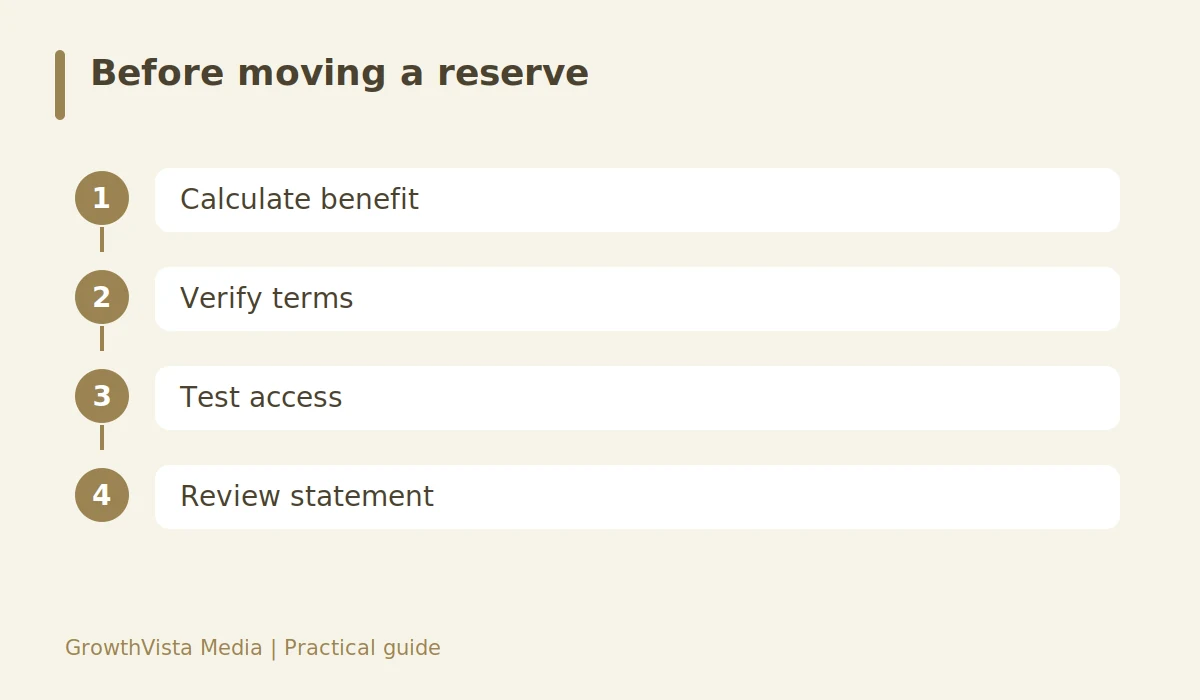
Set a reminder to compare the actual rate and any fees after the first statement. Keep access details current and check whether a promotional condition has ended. Switching frequently can create work, transfer gaps, and lost records. Compare the likely dollar benefit with the time and inconvenience involved before moving a reserve for a very small rate difference.
Your next steps
- Record APY and the date checked.
- Read qualifying conditions and monthly charges.
- Verify the bank and insurance arrangement.
- Test transfers before relying on emergency access.
- Review the first statement for actual fees and rate.
Related guides: Checking vs Savings Accounts: 5 Everyday Differences · Online Banks vs Traditional Banks: 6 Practical Trade-offs · Certificate of Deposit: Rates, Terms, and Early Access
Questions readers ask
Is the highest APY always the best account?
No. Access, fees, qualifying conditions, and the institution holding the deposit can matter more for the purpose of your money.
Can the bank lower a savings rate?
A variable savings rate can change under the agreement. Review whether an advertised offer is promotional or subject to conditions.
Should I move money for a small increase?
Calculate the likely dollar difference, then compare transfer timing and effort. A higher percentage can produce only a modest benefit on a small balance.
Further reading
Editorial update: October 12, 2026. U.S.-focused general education, not individual investment, tax, or legal advice. Examples are hypothetical, not current product offers.