Vacuum Cleaners for Pet Hair: 7 Features to Check
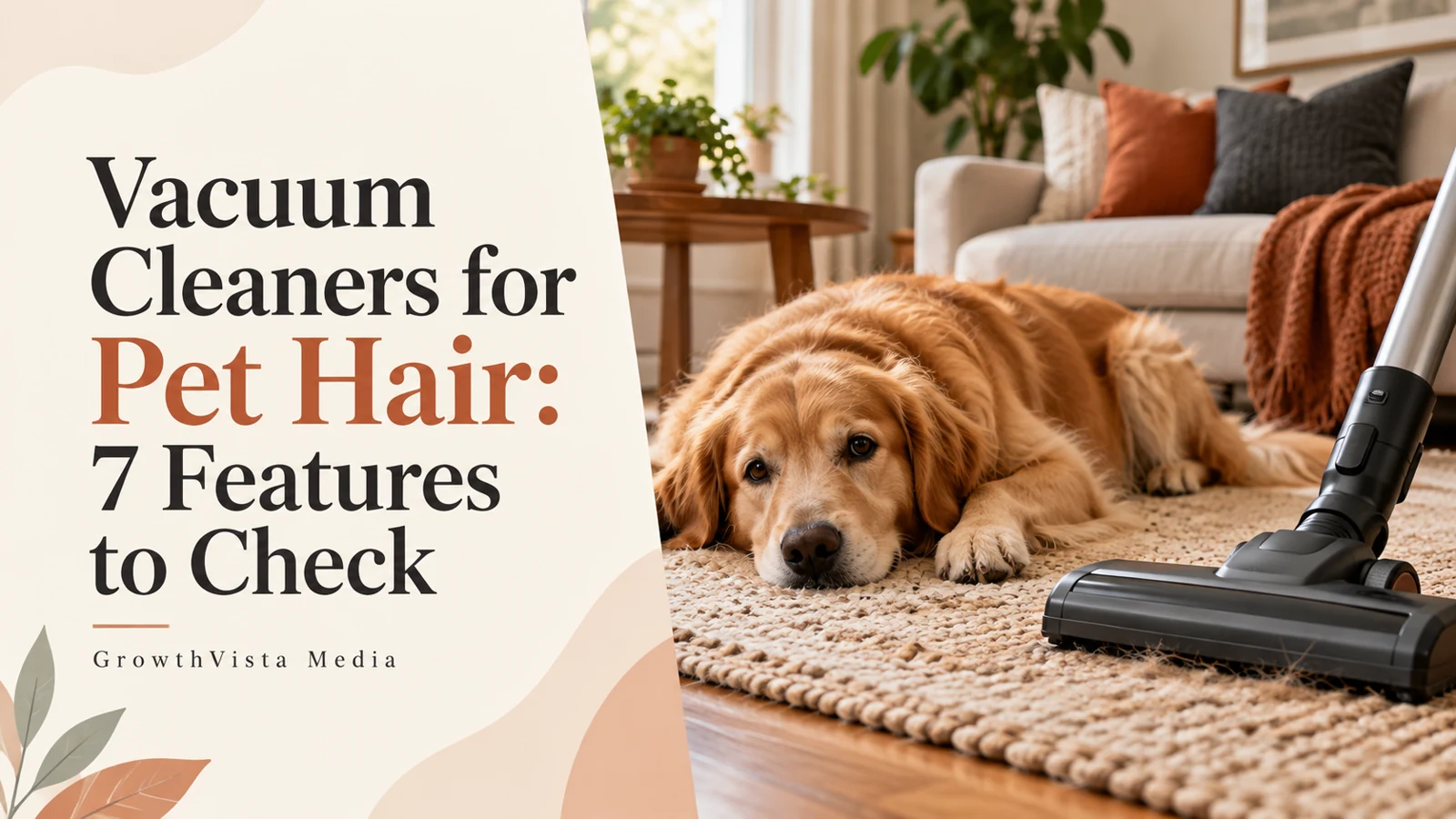
Vacuum cleaners for pet hair should be chosen by the surfaces where hair collects and the effort required to clean and maintain the machine. Check the floorhead, upholstery tools, brush access, debris disposal, documented filtration, usable session length, and spare parts. A pet label or anti-tangle claim does not answer all seven questions.
Use the ordinary rug, sofa, stairs, and edges in your home as the buying brief. Then compare the exact tools included with the model variant. This guide provides a repeatable household trial; it does not invent pickup percentages, demonstrate named products, or promise a health outcome from a filtration label.
Your decision checklist
- Identify where hair accumulates.
- Verify the exact floor and upholstery tools.
- Inspect tangle access and debris disposal.
- Test the complete route and service routine.
How do you choose vacuum cleaners for pet hair by surface?
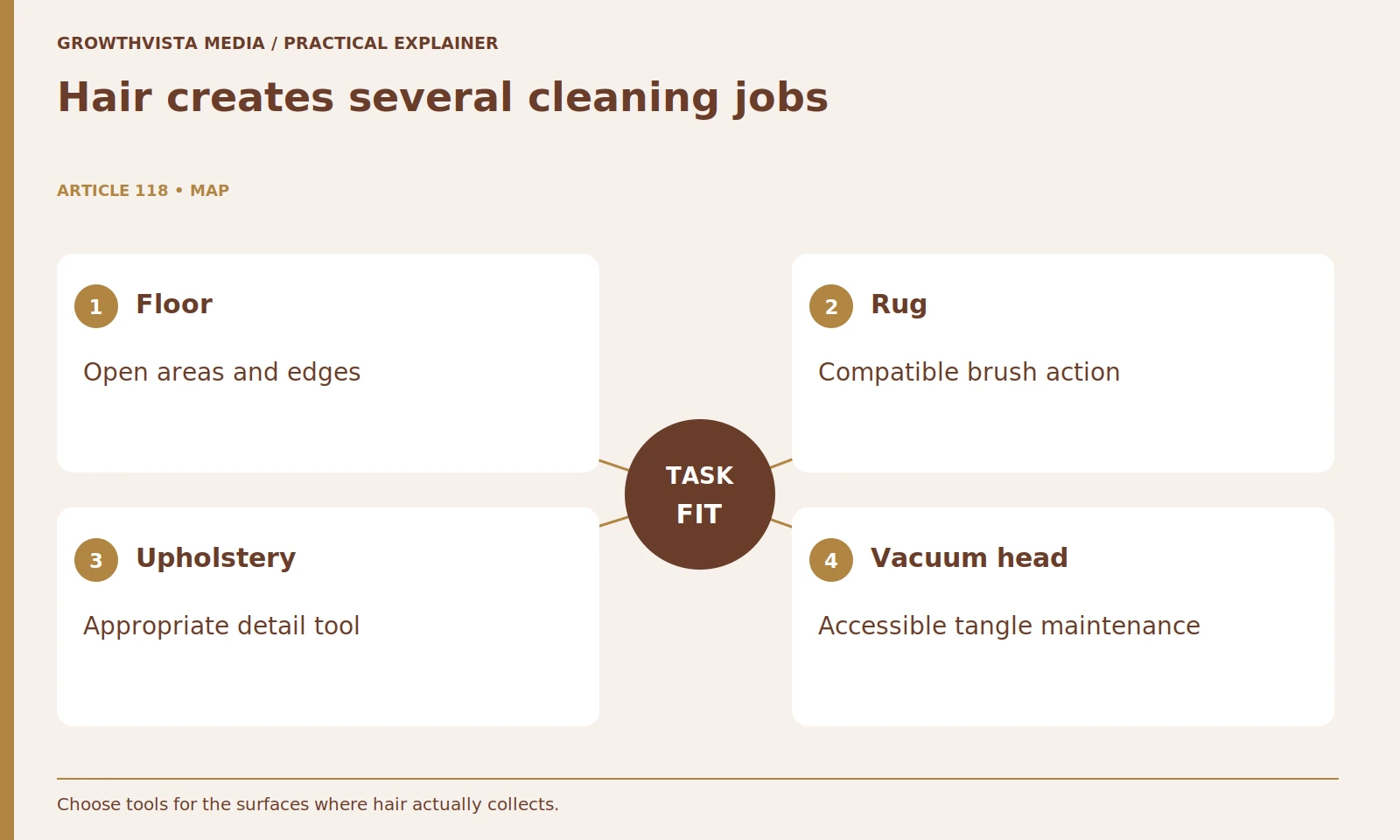
List where hair normally collects and match each surface to an approved tool. Hard flooring, rugs, upholstery, and stairs can need different handling. Miele’s tool guidance supports checking the floor and attachment together rather than selecting by a pet badge alone. Miele: matching brushes to floor types
For an illustrative pet household, the main problem might be a fabric sofa and a hallway runner, not the entire house. That suggests evaluating upholstery and rug tools carefully instead of paying for a feature aimed at a different task.
Check floor and fabric-care restrictions before choosing agitation or suction settings. The right tool should remove debris while remaining appropriate for the material. A very aggressive head is not automatically the best answer for a delicate rug.
What should a pet-hair floorhead inspection include?
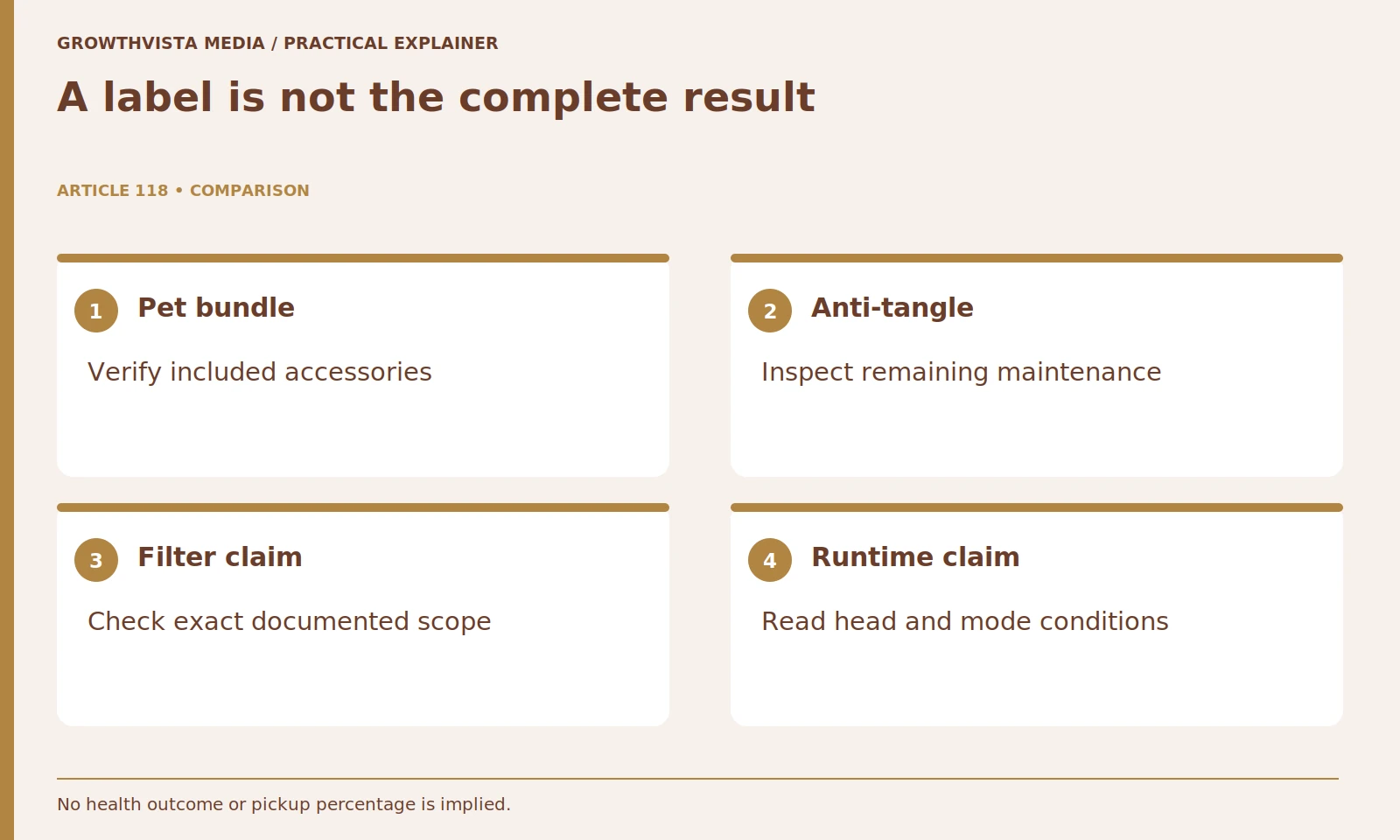
Confirm the exact included head, permitted surface settings, access for user maintenance, and compatible replacement parts. Do not assume an anti-tangle label means no servicing. Compare a demonstration with your surface before treating it as useful purchase evidence.
Look for accessible brush components and clear maintenance instructions. An anti-tangle description can be useful, but ask how remaining hair is removed and what parts need cleaning. Do not interpret the label as a guarantee that servicing is unnecessary.
Compare evidence from the same type of surface where possible. A demonstration removing loose hair from a smooth board does not establish pickup from a textured rug. Record what the demonstration actually shows instead of turning it into a universal result.
| Task | Feature to inspect | Ownership question |
|---|---|---|
| Rug hair | Suitable floorhead | Can the brush be serviced? |
| Sofa hair | Compatible upholstery tool | Is handling manageable? |
| Frequent sessions | Runtime or cord reach | Can the full route finish? |
| Debris disposal | Bin or bag arrangement | Is emptying practical? |
Do you need a separate upholstery tool?
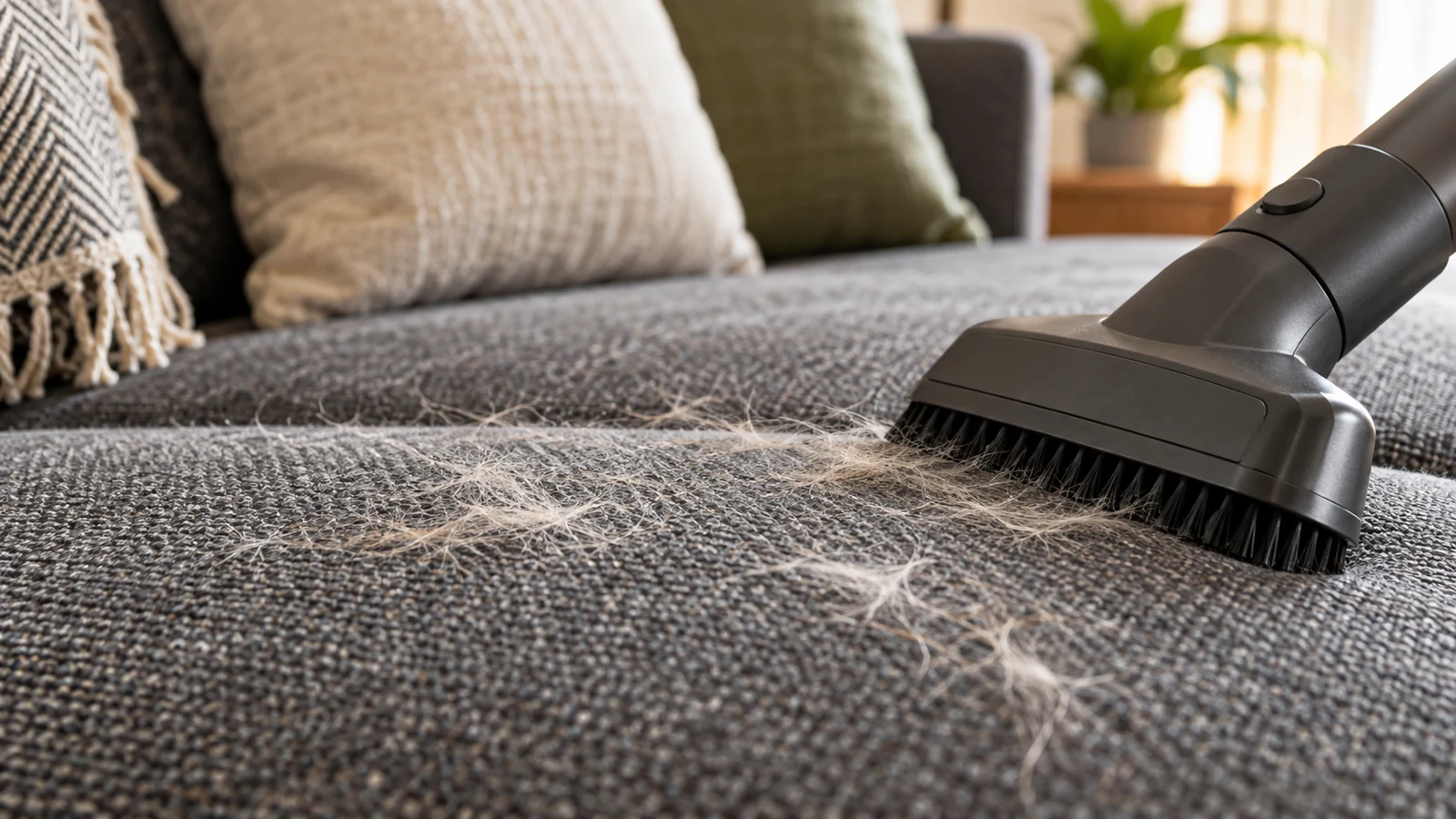
You may, depending on the furniture and task. Check that the accessory is included or available, compatible with the machine, and permitted by the fabric’s care guidance. Try the complete handling task rather than deciding from the accessory’s name.
Try the tool in the positions you will use: cushions, armrests, stairs, and narrow corners. Check the reach and whether the vacuum body must be supported awkwardly. A capable attachment that is difficult to handle can become a tool you stop using.
Keep pets away from the active appliance and follow the safety instructions. These tools are for appropriate household surfaces, not grooming an animal unless a specific approved product is designed for that purpose. Do not improvise a grooming use from a furniture attachment.
Why do tangles and emptying affect the decision?
They determine how much effort remains after pickup. Inspect how hair is removed from approved parts and how the bin or bag is handled. BISSELL’s model-specific brush instructions are one example of a documented service process; they are not universal dismantling directions. BISSELL: brush-roll maintenance
Compare bin or bag capacity with your routine, but do not assume a larger container solves every problem. Hair can be bulky, and the way it is removed matters. Check whether emptying requires touching trapped debris or repeatedly pulling it from narrow spaces.
During an allowed trial, record cleaning time and maintenance time separately. If pickup is acceptable but every session requires a long untangling process, that is a real trade-off to include. Avoid reporting only the first pass across the floor.
Does a filtration label guarantee a health benefit?
No health outcome should be inferred from a label alone. Read the documented scope and operating conditions for the exact product. Treat filtration, collection, maintenance, and emptying as distinct questions, and avoid turning a component specification into a whole-house exposure guarantee.
Keep buying decisions about debris handling separate from medical claims. This guide does not promise allergy relief or recommend treatment. If a health condition affects the purchase, discuss the relevant needs with an appropriate professional and review the exact product evidence.
For ordinary ownership, inspect how filters are accessed and whether approved replacements are readily available. A feature is less useful if maintaining it is unclear or if the required part cannot be obtained. Follow instructions for washing only where expressly permitted.
How should you assess runtime and handling?
Use the actual pet-hair route with the required head and setting. Record interruptions, stairs, reach, and accessory changes. A maximum battery figure or listed weight does not describe every complete cleaning task, especially when upholstery and detail work are included.
Pick a representative route: the runner, sofa, and nearby floor edge in the illustrative home. Record whether the task finishes without an inconvenient interruption and whether you can handle the appliance comfortably. Keep conditions consistent when comparing candidates.
Do not add unsafe debris or create an artificial challenge outside the intended appliance use. Use ordinary household cleaning within the manual's limits. The goal is task fit, not an entertaining stress test that damages the vacuum or fabric.
Which maintenance needs should you verify before buying?
Check approved brush care, consumables, replacement availability, and the exact filter procedure. Dyson’s documentation separates filter care by machine, so do not assume a single cleaning interval or method applies to every vacuum. Keep the plan model-specific. Dyson: filter care for cordless vacuums
Create a short after-use routine based on the manual: inspect collection level, check accessible tangles, and service parts at the specified interval. Use the approved power-off and disconnection steps before maintenance. Do not operate a vacuum with required parts removed to see whether suction improves.
The best ownership fit is a machine you can clean and maintain regularly. If one candidate needs less recurring attention for your surfaces, that can matter more than a dramatic marketing claim.
What makes a fair household pet-hair trial?
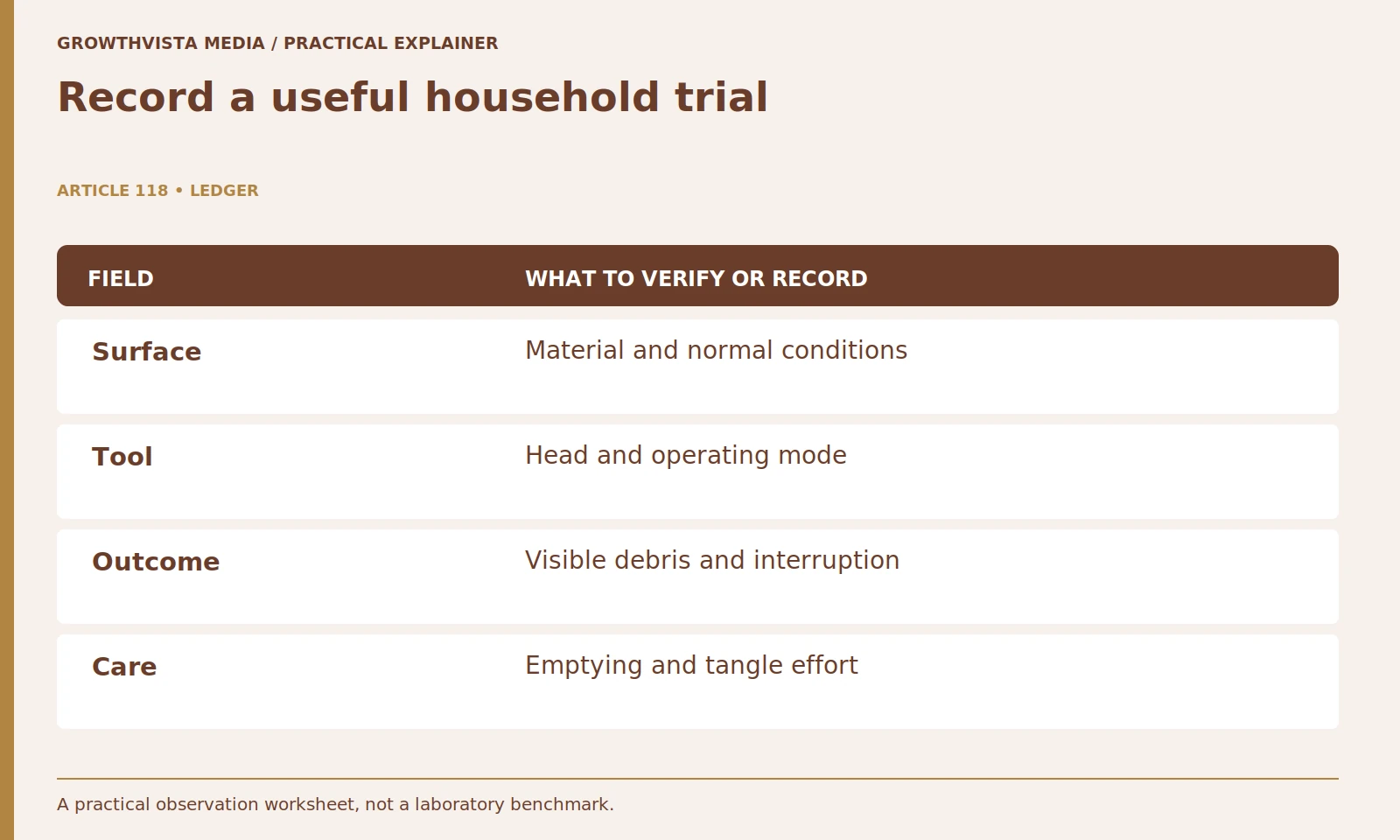
Repeat a defined ordinary task and record surface, tool, setting, visible result, interruptions, and servicing effort. Describe these as personal observations, not a laboratory benchmark. The trial should answer whether the complete routine is manageable, not only whether a staged patch looks clean.
For the illustrative sofa, check the cushion surface and an edge that normally traps hair. For the rug, inspect both ordinary passes and any remaining localized area. Do not claim a percentage removed unless you have an appropriate measurement method.
Identify where hair accumulates. Verify the exact floor and upholstery tools. Inspect tangle access and debris disposal. Test the complete route and service routine. Keep verified findings separate from expectations, and revisit the decision after a material change.
Frequently asked questions
Does a pet-branded vacuum guarantee better pickup?
A label alone does not establish performance on your surfaces. Compare the exact tools and a repeatable permitted household trial.
Does anti-tangle mean no brush maintenance?
Do not assume it. Inspect the documented service needs and what remains after your normal cleaning session.
Should pet hair on a sofa use the main floorhead?
Check a compatible upholstery tool and the fabric’s care guidance. The appropriate attachment and handling can differ from floor cleaning.
Does a filtration claim prove a health benefit?
No health result should be inferred from the label alone. Read the exact documented scope and keep emptying and maintenance in the evaluation.
What is a useful pet-hair test record?
Record surface, head, mode, ordinary conditions, visible result, interruptions, emptying, and brush-care effort without inventing a pickup percentage.
Which spare parts should I check?
Look for the model’s approved filters, brush or head components, bags if used, and batteries if relevant in your market.
Sources and further reading
Official documentation supports the technical guidance. Examples and worksheets are editorial methods, not hands-on product benchmarks. Reviewed October 2026.
- Miele: matching brushes to floor types
- BISSELL: brush-roll maintenance
- Dyson: filter care for cordless vacuums
Related guides
- Cordless vs Corded Vacuums: Choose for Your Floors
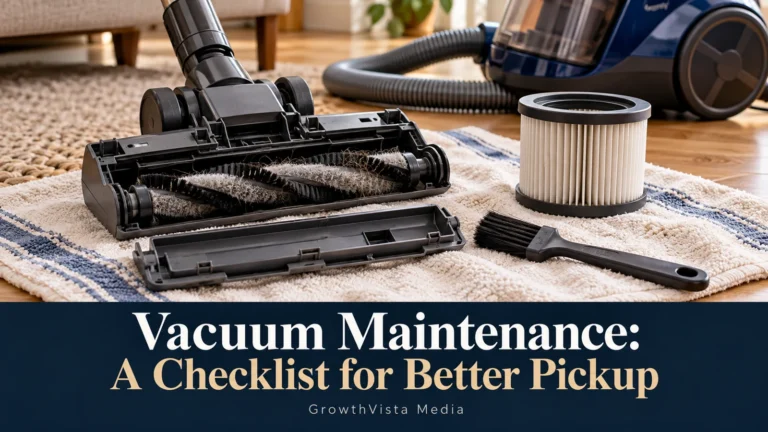
- Vacuum Maintenance: A Checklist for Better Pickup
For an automated cleaning approach, see our robot-vacuum comparison.