Portions: Understand Amounts Without Strict Tracking
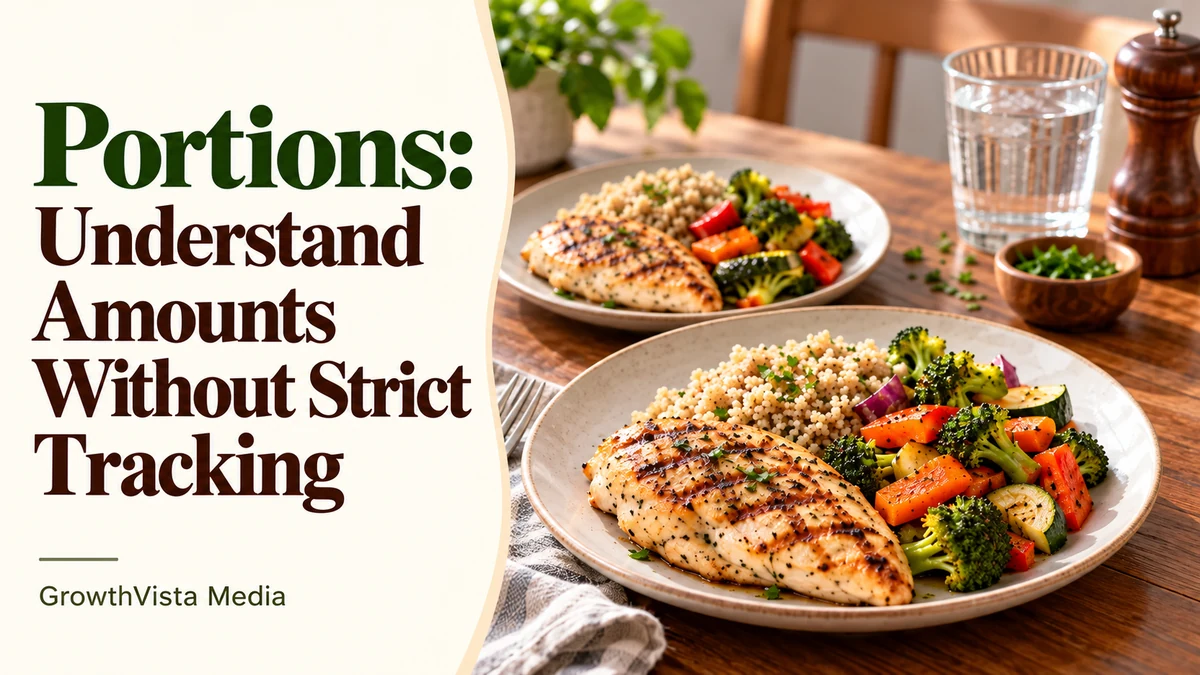
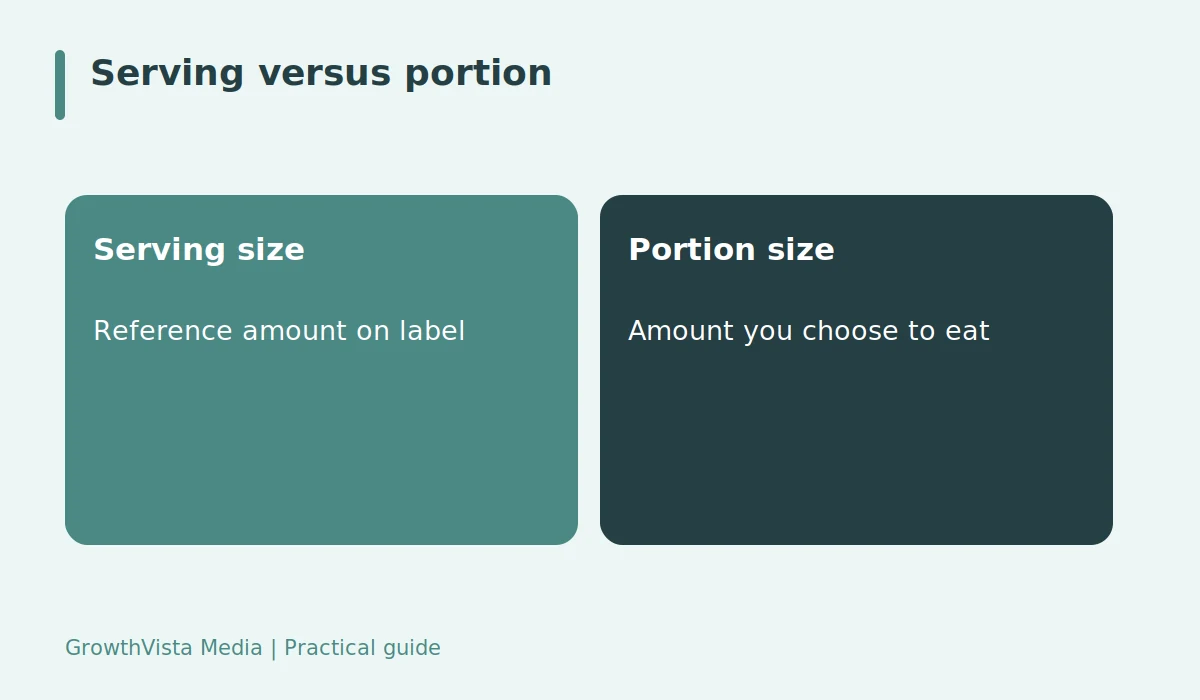
Portions describe how much you choose to eat. A serving size on a label is a reference used for nutrition information, not an instruction for every person. Understanding the difference can help with meal planning without logging every gram. Use awareness to answer a practical question, while respecting appetite, preferences, and individual dietary requirements.
Separate a label serving from your portion
A package may contain more than one stated serving, and your meal may contain a different amount. If you use label information, connect it with what you actually eat. The reference amount does not decide whether you are hungry or whether a meal is adequate. Treat it as measurement context rather than a rule about the correct plate.

Portions make more sense in a whole meal
Consider the ingredients and the rest of the day. A snack, a mixed dish, and a main meal have different roles. Adding a suitable protein food or produce can change meal composition without requiring a rigid measurement system. Avoid making every portion smaller regardless of need. The objective is an appropriate eating pattern, not the smallest possible serving.
Use simple observation when it helps
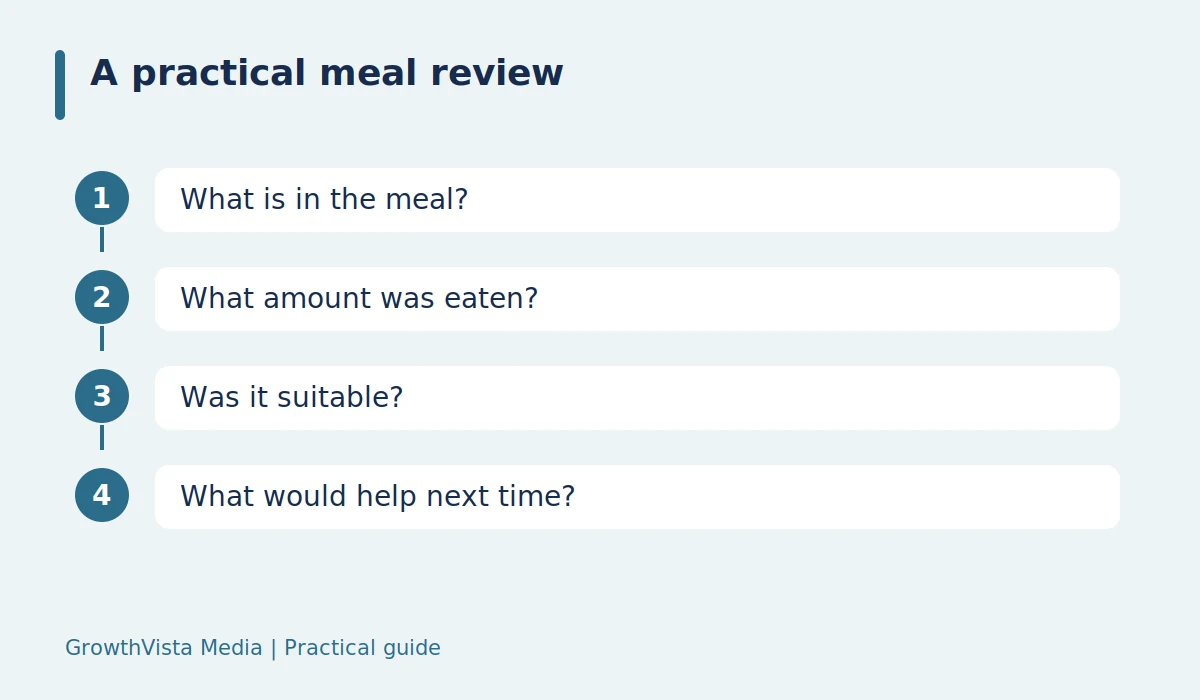
Notice the bowl or plate used, whether you serve directly from a package, and how much remains. Some people find an occasional measurement useful to understand a label; others prefer a visual or meal-based approach. None of these establishes a universal amount. Choose a method that provides information without becoming a source of distress.
Leave room for hunger and circumstances
Appetite and needs can vary with activity, illness, age, and other factors. Eat attentively enough to notice comfort when practical, but do not assume everyone can rely on the same cues. Medical dietary needs may require tailored advice. If portion monitoring becomes obsessive or encourages harmful restriction, seek appropriate support and use a different approach.
Make the setting easier
Serve a meal where you can notice what is being eaten when possible, and keep suitable leftovers safely. A predictable meal routine can reduce rushed decisions. Shared meals and restaurant portions may be less controllable, so avoid demanding perfect precision. The useful result is a better understanding of your pattern, not an exact number for every bite.
One package, two different amounts
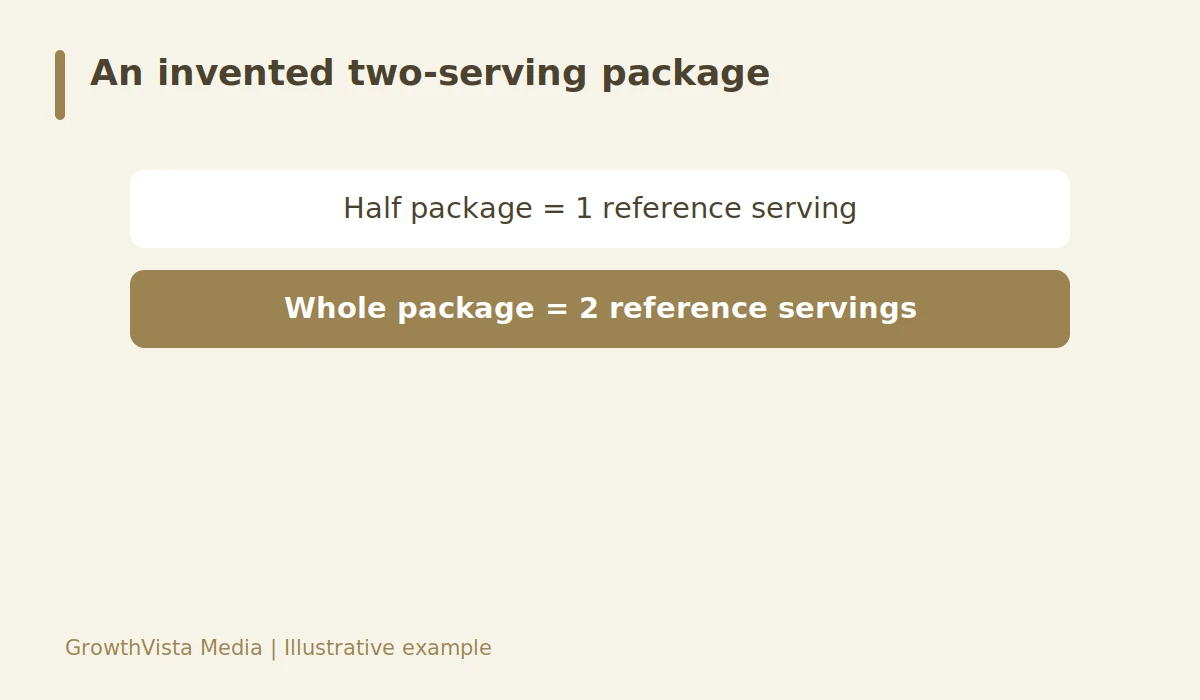
An invented food label describes one serving as half the package. A person eating the full package consumes two reference servings. That explains how to interpret the label but does not decide whether the amount is appropriate for that person’s meal. The meal ingredients, hunger, dietary needs, and overall pattern still matter. Arithmetic and personal adequacy are different questions.
Questions readers ask
Is a smaller plate a guaranteed solution?
No. Plate size alone does not determine dietary adequacy or outcomes. Use it, if helpful, as one practical observation rather than a promise.
Must I weigh every meal?
Not usually for general awareness. Some individual plans need measurement with guidance, but the method should serve a real purpose.
Is the label portion right for everyone?
No. A label serving is a reference. Personal needs and the amount eaten can differ.
Your next steps
- Identify the stated serving and actual portion.
- Consider the whole meal rather than one ingredient.
- Use a simple awareness method if helpful.
- Respect individual needs and signs of distress.
- Keep the routine flexible in shared meals.
Related guides: Balanced Plate: Build a Flexible Meal With Everyday Foods · Nutrition Label: Read Serving Size, Nutrients, and %DV · Meal Planning for Busy Weeks: A Flexible 5-Step Routine
Further reading
Editorial update: October 12, 2026. General educational information, not diagnosis or individualized treatment. Examples are illustrative; consult an appropriately qualified professional for personal health questions.