Weight Management Habits: Build Changes You Can Maintain
Weight management habits should fit a person’s health and daily life rather than a short challenge. Food, activity, sleep, stress, medications, and other circumstances can matter. A sustainable approach makes useful routines easier to repeat and avoids promises about a specific result. If weight or eating is a source of distress, or a condition affects the plan, seek appropriate professional support.
Start with a routine rather than a dramatic restriction
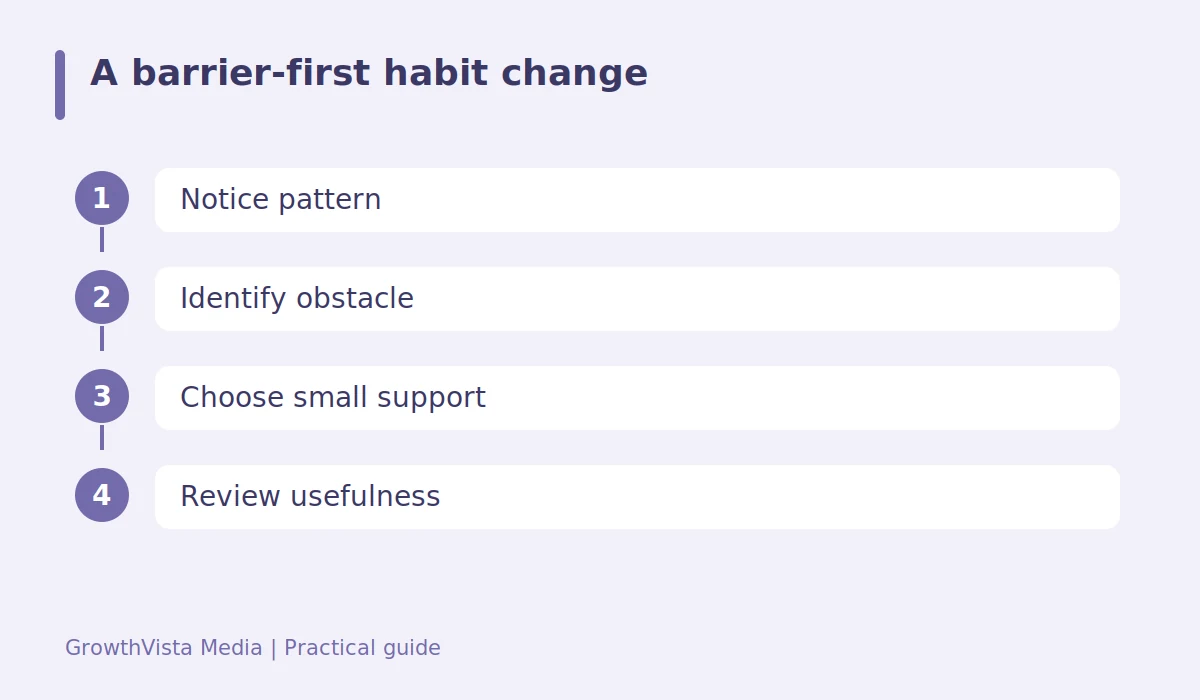
Choose one behavior you can describe clearly, such as preparing a regular lunch or creating a consistent walking opportunity. Extreme changes can be difficult to sustain and may not be suitable. Notice the practical barrier behind the current pattern: missing food, long work hours, stress, or limited access. Addressing the barrier is more useful than relying only on willpower.

Weight management habits include food quality and availability
Keep varied foods available and plan meals that are realistic for the household. Avoid eliminating a major food group solely because a trend labels it bad. Portions and overall intake matter, but needs differ. A meal routine should remain adequate and enjoyable. Tailored nutrition guidance can help when medical circumstances or a complicated eating history makes general advice unsuitable.
Make activity appropriate and repeatable
Choose movement suited to your ability and environment. Begin with a manageable level and review recovery. Activity supports health even when the scale does not move as expected. Avoid using exercise as punishment for eating. A program that depends on constant exhaustion is difficult to evaluate sensibly and can create an unhealthy relationship with movement.
Questions readers ask
Should I remove all carbohydrates?
A general rule to eliminate a major food group is not necessary for everyone. Review the overall pattern and individual requirements with qualified guidance where appropriate.
What if weight does not change quickly?
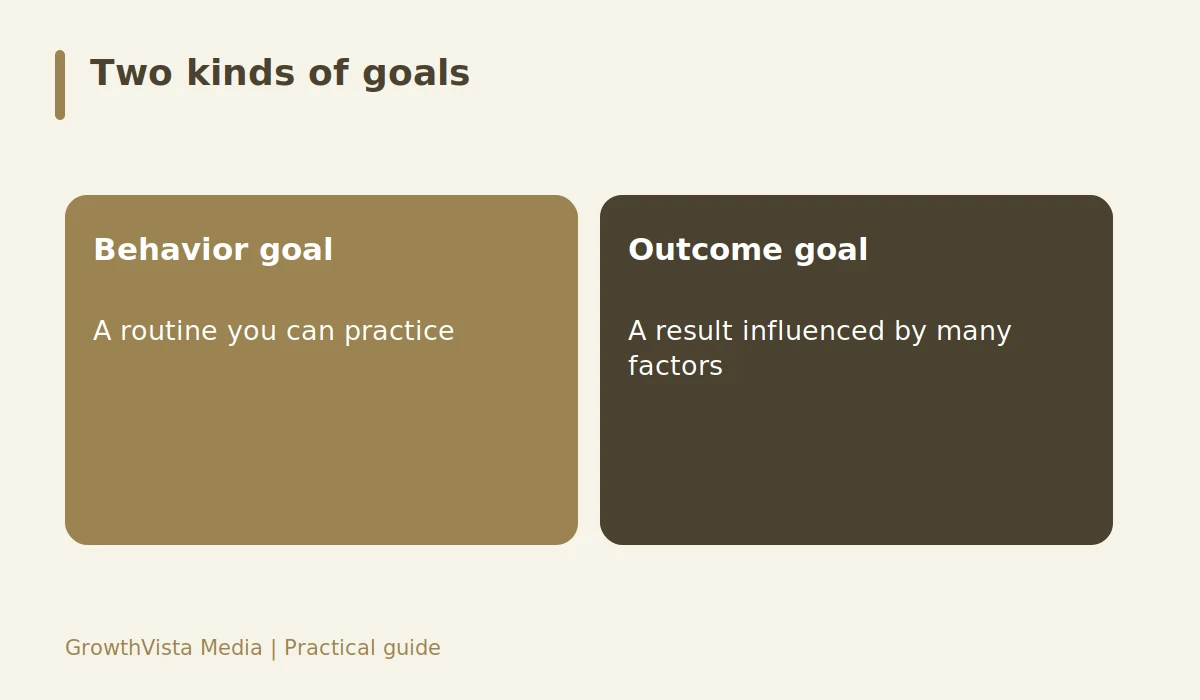
Avoid judging a routine from a short period. Review health, consistency, and whether the goal and method are appropriate rather than escalating restriction automatically.
Can habits replace medical treatment?
No. Lifestyle routines can support care, but they do not replace assessment or treatment when needed.
Review sleep and stress without claiming a shortcut
Poor rest or persistent stress can make routines harder to maintain. A consistent schedule and practical support may help daily functioning, but they are not guaranteed weight-loss techniques. Address recurring symptoms with appropriate care. A lifestyle discussion should not be used to blame a person for circumstances outside their control.
Measure more than a short-term number
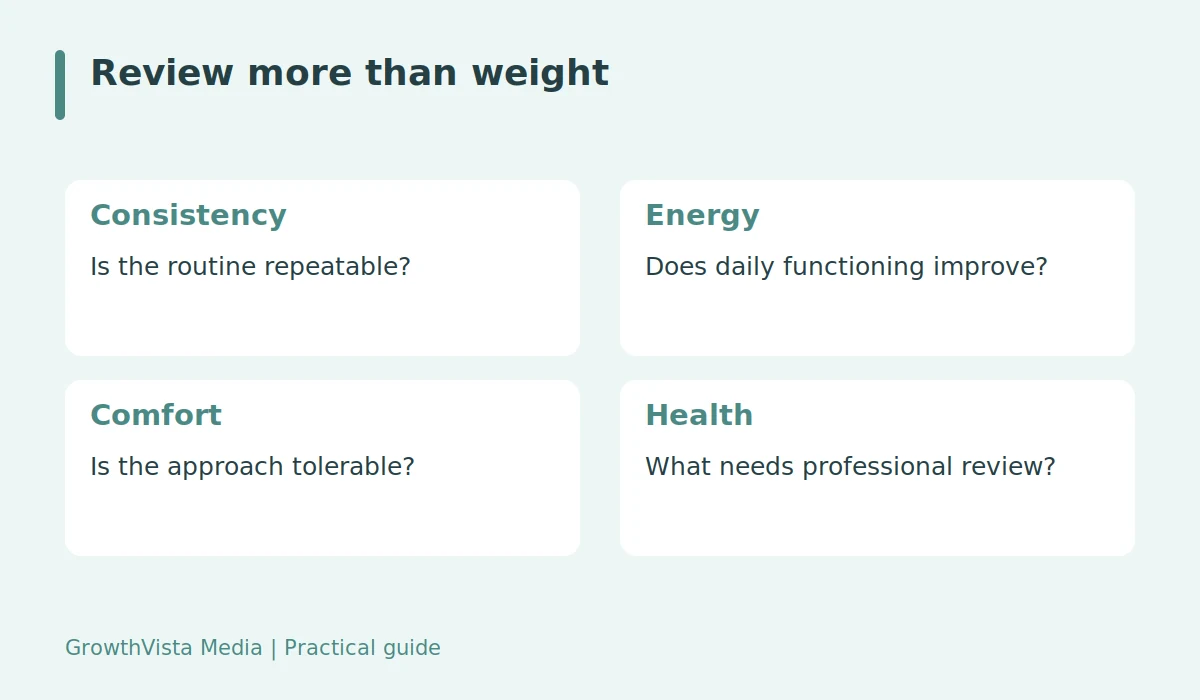
Review consistency, energy, strength, comfort, and relevant health measures with a professional when needed. Body weight can fluctuate for reasons unrelated to a single day’s choices. Keep the tracking method proportionate to its purpose. If tracking increases anxiety or leads to harmful restriction, change the approach and seek support. Sustainable habits are not proven by a dramatic before-and-after image.
A barrier-first change
A fictional worker often skips lunch because meetings leave no preparation time. Instead of starting a strict challenge, the worker chooses two easy lunch options and keeps the ingredients available. A later review asks whether the lunch routine was usable and satisfying. This example addresses a practical barrier; it does not promise weight loss or establish the right intake for an individual.
| Item | Detail |
|---|---|
| Consistency | Is the routine repeatable? |
| Energy | Does daily functioning improve? |
| Comfort | Is the approach tolerable? |
| Health | What needs professional review? |
Your next steps
- Choose one specific, achievable behavior.
- Identify the barrier making it difficult.
- Keep meals varied and adequate.
- Adapt activity and review recovery.
- Seek appropriate help when health or distress complicates the plan.
Related guides: Meal Planning for Busy Weeks: A Flexible 5-Step Routine · Portions: Understand Amounts Without Strict Tracking · Weight Management: How Sleep and Activity Fit In
Further reading
Editorial update: October 12, 2026. General educational information, not diagnosis or individualized treatment. Examples are illustrative; consult an appropriately qualified professional for personal health questions.