Protein Powder: Compare Products Without the Hype
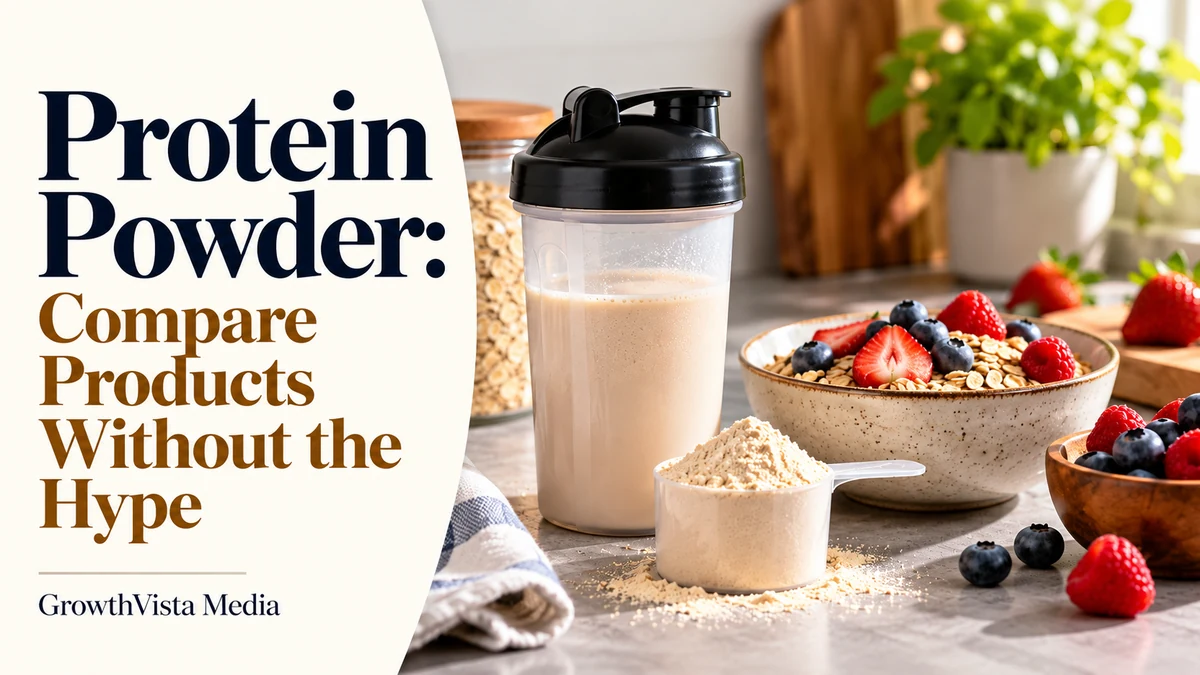
Protein powder can be a convenient ingredient, but it is not required for every active person or a replacement for a varied diet. Before comparing tubs, identify why you want it. Then review the source, serving amount, allergens, other ingredients, cost, and quality information. A larger container or dramatic fitness claim does not show that the product fits your needs.
Decide what gap the product would fill
Look at meals and the reason for considering powder: convenience, limited preparation time, or a specific recommendation. A food-based solution may be sufficient. Requirements vary by activity, health, and life stage. If a medical condition changes protein needs, get tailored advice rather than using a general fitness target from social media.
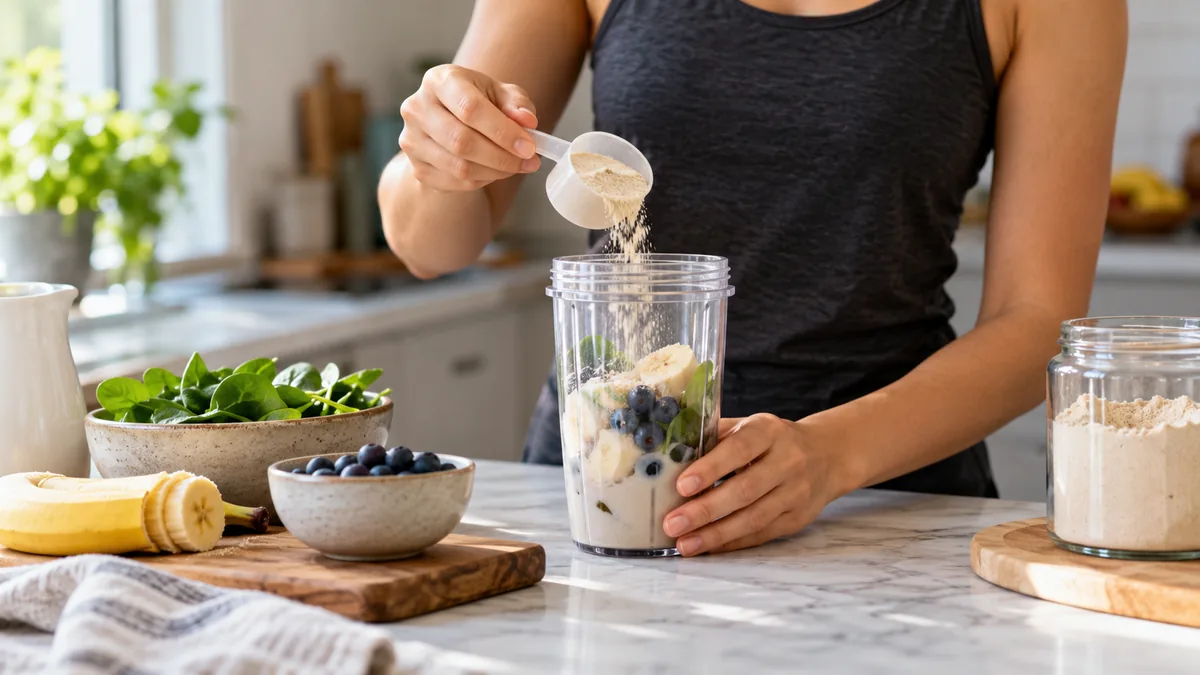
A hypothetical price-per-serving comparison
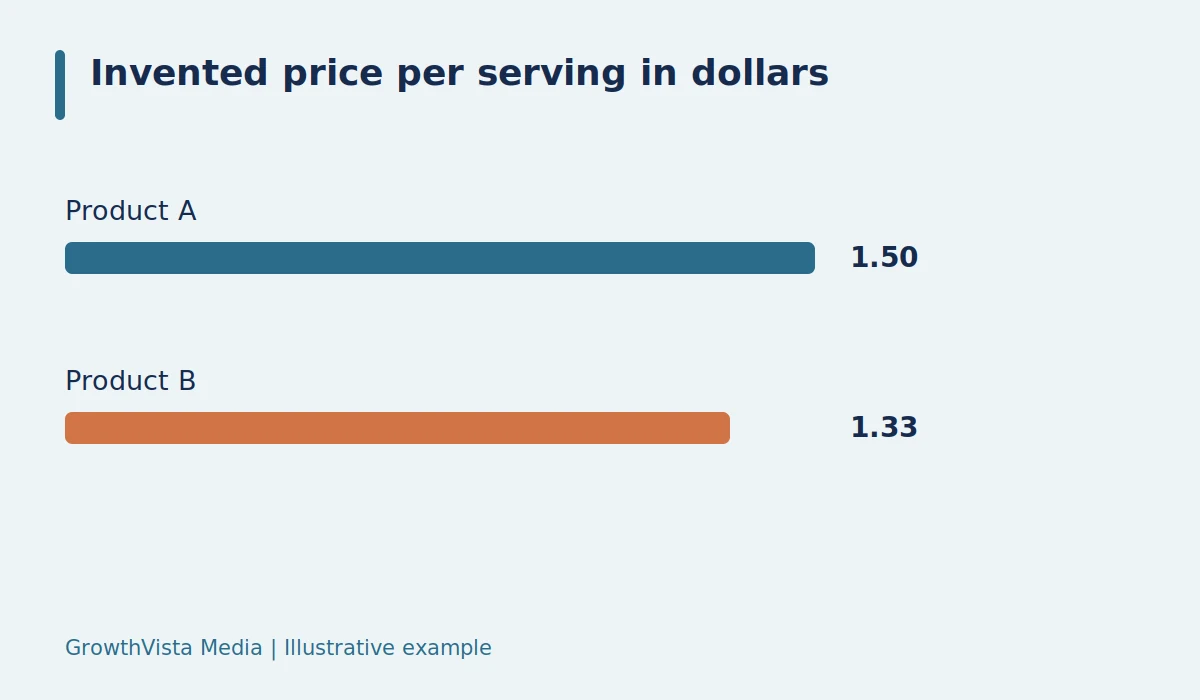
Product A costs $30 for 20 stated servings, or $1.50 per serving. Product B costs $40 for 30 servings, or about $1.33. These invented prices do not identify the better product: protein amounts, ingredients, allergens, and usable serving sizes may differ. Align those factors before interpreting the lower cost, and do not treat the example as a current retail offer.
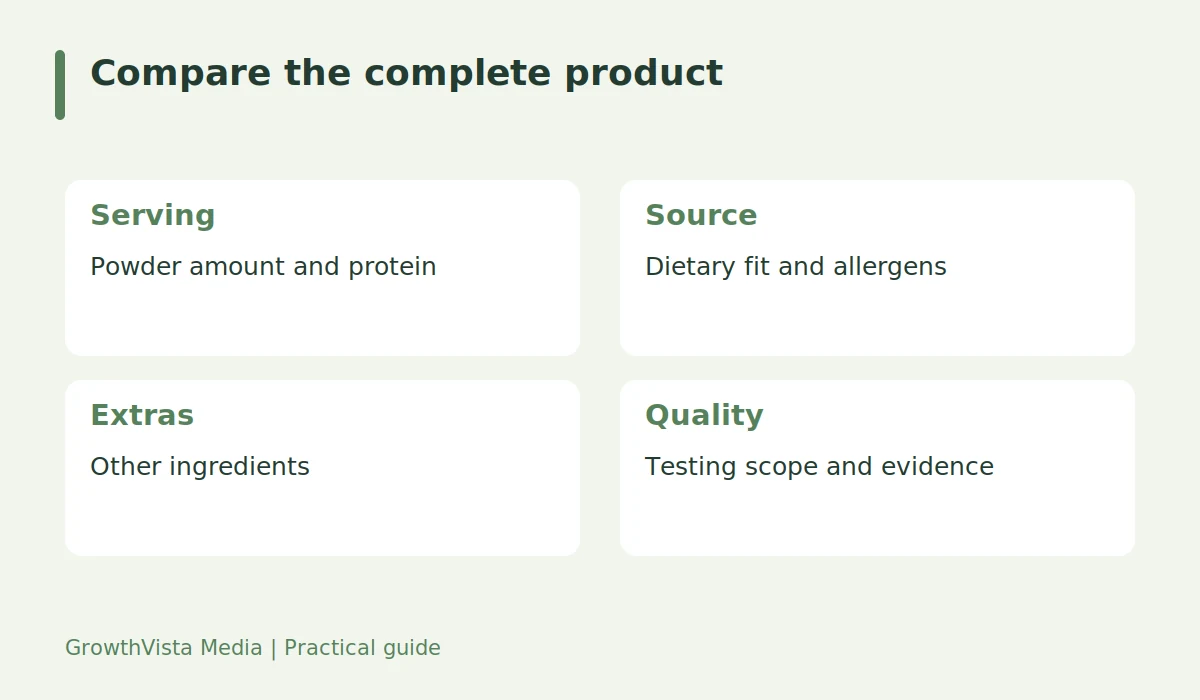
| Item | Detail |
|---|---|
| Serving | Powder amount and protein |
| Source | Dietary fit and allergens |
| Extras | Other ingredients |
| Quality | Testing scope and evidence |
Compare protein powder on a consistent serving basis
Check serving size and grams of protein per serving. Scoops can differ, and a larger powder serving is not automatically a more efficient product. Review directions and how many usable servings the package contains. Compare the product as you would use it, not merely the biggest number on the front label.
Review ingredients and dietary restrictions
Whey, casein, soy, pea, and other sources have different practical characteristics. Allergens, preferences, digestion, and texture can affect suitability. Check added sugars, flavors, sweeteners, and any other active ingredients. A simple protein product and a multi-ingredient performance blend are different decisions. Avoid treating every tub labeled protein as interchangeable.
Interpret testing information carefully
Independent testing can address particular quality questions, but its scope should be understood. It does not prove that a product is necessary or that it produces a promised result. Athletes subject to substance rules may need specific guidance. Do not rely on a logo alone without knowing the program and what the exact product has been checked for.
Calculate usable cost and convenience
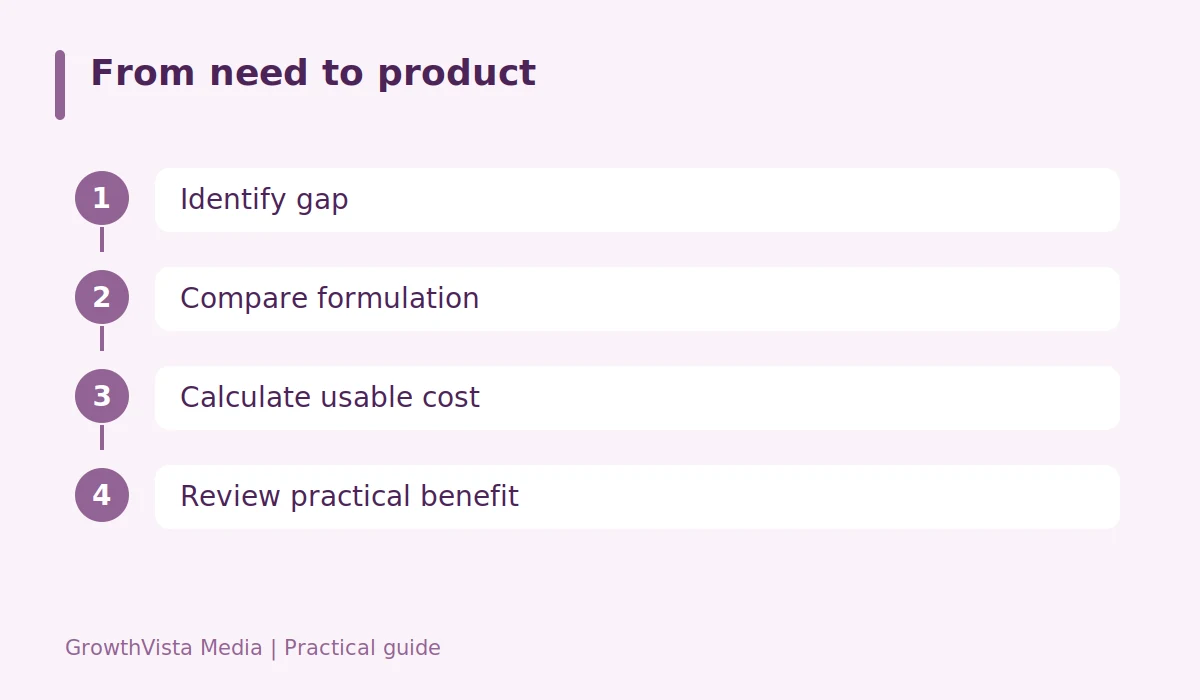
Divide the package price by the number of servings you would actually use. Compare storage, preparation, and taste preferences. Buying a large tub is not economical if it remains unused. Keep the product as one ingredient in the broader diet, and review whether it solves the original problem after a short practical trial.
Your next steps
- Identify the practical need.
- Compare protein amounts using consistent servings.
- Review sources, allergens, and added ingredients.
- Understand testing scope.
- Calculate usable price per serving.
Related guides: Protein Basics: Food Sources and Everyday Planning · Supplements: 7 Questions Before Adding a Product · Supplement Label: Read Ingredients, Amounts, and Claims
Questions readers ask
Do I need powder to build a fitness routine?
Not automatically. Review ordinary food intake and actual requirements first. A powder may offer convenience but does not replace training or a varied diet.
Is a larger protein number always preferable?
No. Check serving size, ingredients, and your needs. The label amount is not a personalized intake recommendation.
What does a testing mark prove?
It depends on the program and scope. Quality checks do not automatically establish effectiveness, necessity, or personal suitability.
Further reading
Editorial update: October 12, 2026. General educational information, not diagnosis or individualized treatment. Examples are illustrative; consult an appropriately qualified professional for personal health questions.