Vitamin D Supplements: Questions for Your Clinician

Vitamin D supplements should be considered in the context of diet, health, and appropriate guidance. Vitamin D helps the body absorb calcium, but a generic wellness claim does not establish a personal deficiency or the right amount to take. Bring your current products and relevant concerns to a clinician instead of selecting a high dose from an online recommendation.
Review food and existing products first
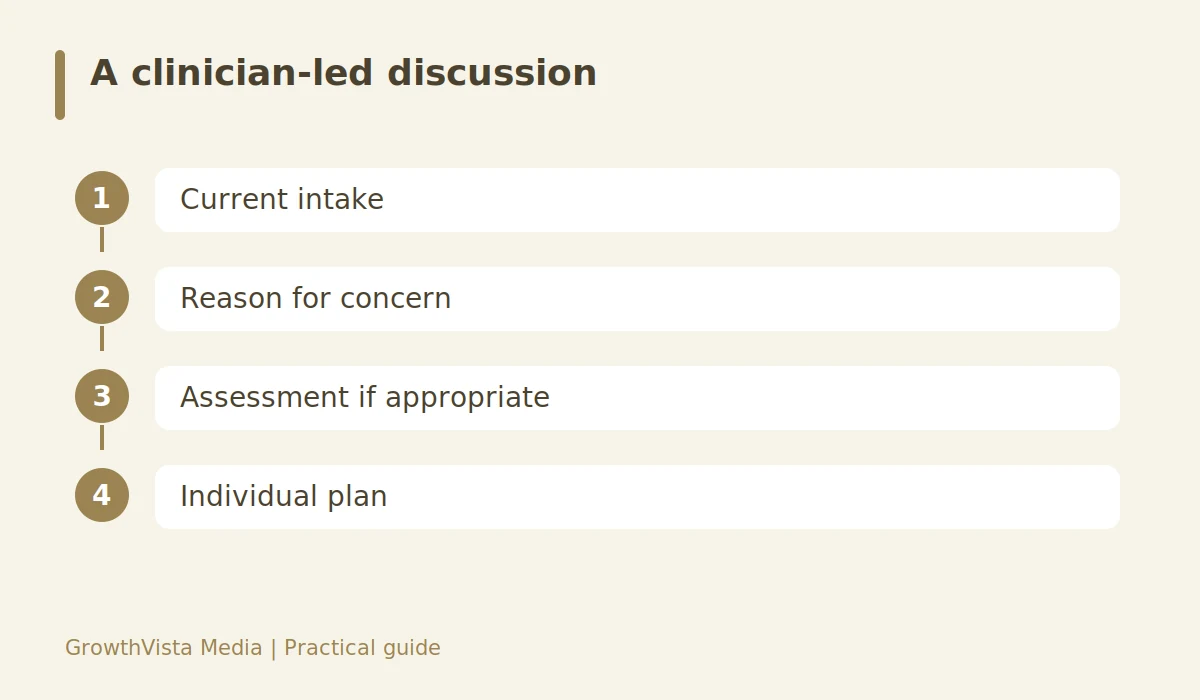
List relevant foods, fortified products, and supplements you already use. A multivitamin or combination product may contain vitamin D, so a separate bottle can add overlapping intake. Read the actual label amounts and serving sizes. Your list helps a professional consider the full picture rather than evaluate one product in isolation.

Vitamin D supplements are not a self-diagnosis
Symptoms can have many causes, and a product advertisement cannot establish deficiency. Ask whether your health circumstances create a reason for assessment or supplementation. A clinician can decide whether testing is appropriate and how results should be interpreted. Do not assume every person needs the same testing schedule or that more frequent tests always improve care.
Ask about amount and duration
If supplementation is recommended, clarify the specific amount, frequency, duration, and reason. Make sure the units on the product match the instruction. Ask what to do if a dose is missed and whether the plan changes with other products. Do not adopt a high-dose treatment schedule from another person’s experience.
Consider interactions and health conditions
Medications and certain medical circumstances can affect the discussion. Tell the clinician about all supplements and relevant treatment. Excessive vitamin D intake can be harmful, so more is not automatically better. Avoid using supplementation as a reason to stop prescribed care or ignore persistent symptoms. A suitable plan should include the context in which it is being used.
Clarify follow-up and record the plan
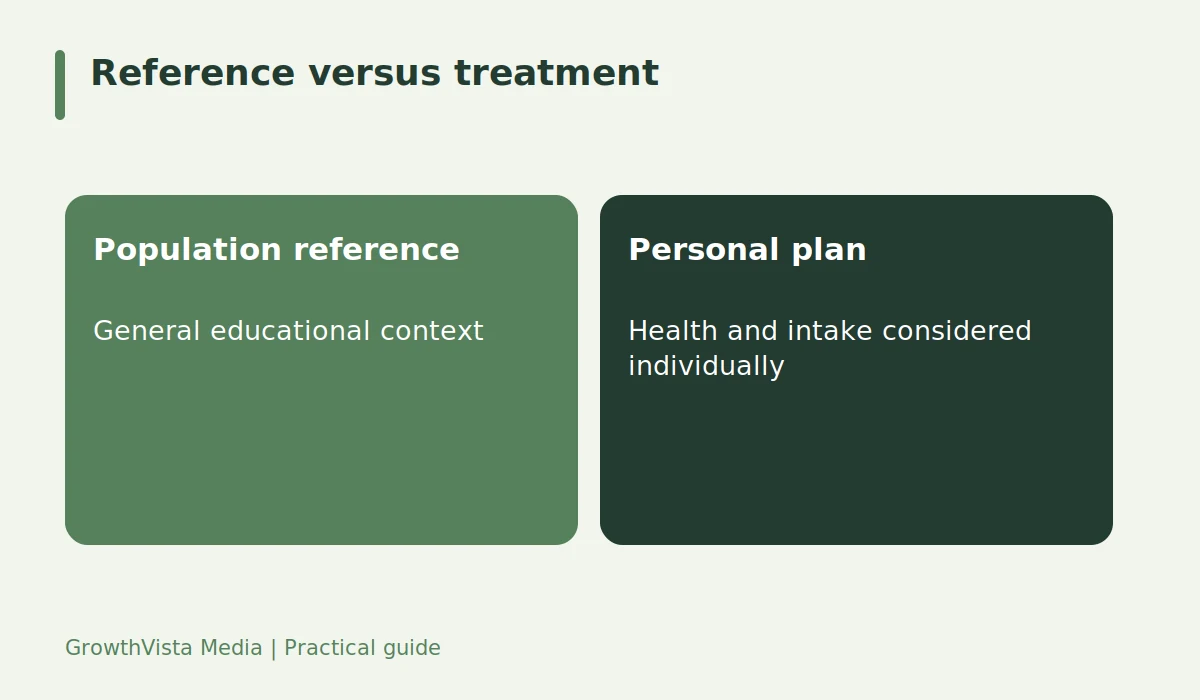
Ask whether a review is needed and what would trigger it. Keep the recommendation and product information together. If the formulation changes or another supplement is added, revisit overlap. General population reference amounts are educational information, not a personalized treatment plan. A clear written instruction reduces confusion about ongoing use.
A useful appointment question list
A fictional reader brings a multivitamin label and a proposed vitamin D product. The questions are: is there a reason I need this, would testing change the decision, what amount and duration would be appropriate, and how should existing products be handled? This example prepares a discussion. It does not recommend a dose, test, or diagnosis for a particular person.
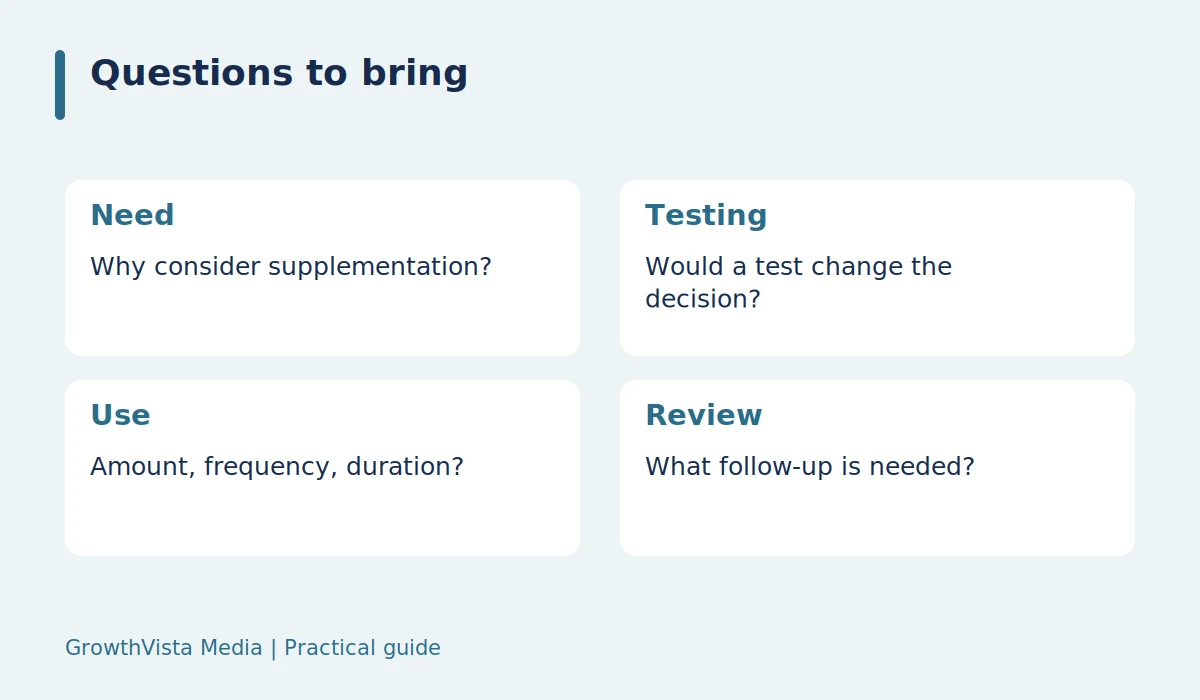
| Item | Detail |
|---|---|
| Need | Why consider supplementation? |
| Testing | Would a test change the decision? |
| Use | Amount, frequency, duration? |
| Review | What follow-up is needed? |
Questions readers ask
Should everyone take the same amount?
No. Diet, age, health, existing products, and the purpose of supplementation can differ. Use appropriate individualized guidance.
Can I infer deficiency from tiredness?
No. Fatigue has many possible explanations. A professional assessment is more useful than selecting a supplement from one symptom.
Is a larger amount more effective?
Not necessarily, and excessive intake can be harmful. Follow a suitable plan rather than treating a higher label number as a benefit.
Your next steps
- List foods and current supplement amounts.
- Explain the concern prompting the question.
- Ask whether assessment or testing is appropriate.
- Clarify any recommended amount and duration.
- Record follow-up and overlap instructions.
Related guides: Supplements: 7 Questions Before Adding a Product · Supplement Label: Read Ingredients, Amounts, and Claims · Protein Basics: Food Sources and Everyday Planning
Further reading
- NIH ODS: dietary supplements overview
- FDA: supplement labeling
- NIH ODS: vitamin D consumer information
Editorial update: October 12, 2026. General educational information, not diagnosis or individualized treatment. Examples are illustrative; consult an appropriately qualified professional for personal health questions.