Fitness Apps vs Wearables: Which Data Helps Your Routine?
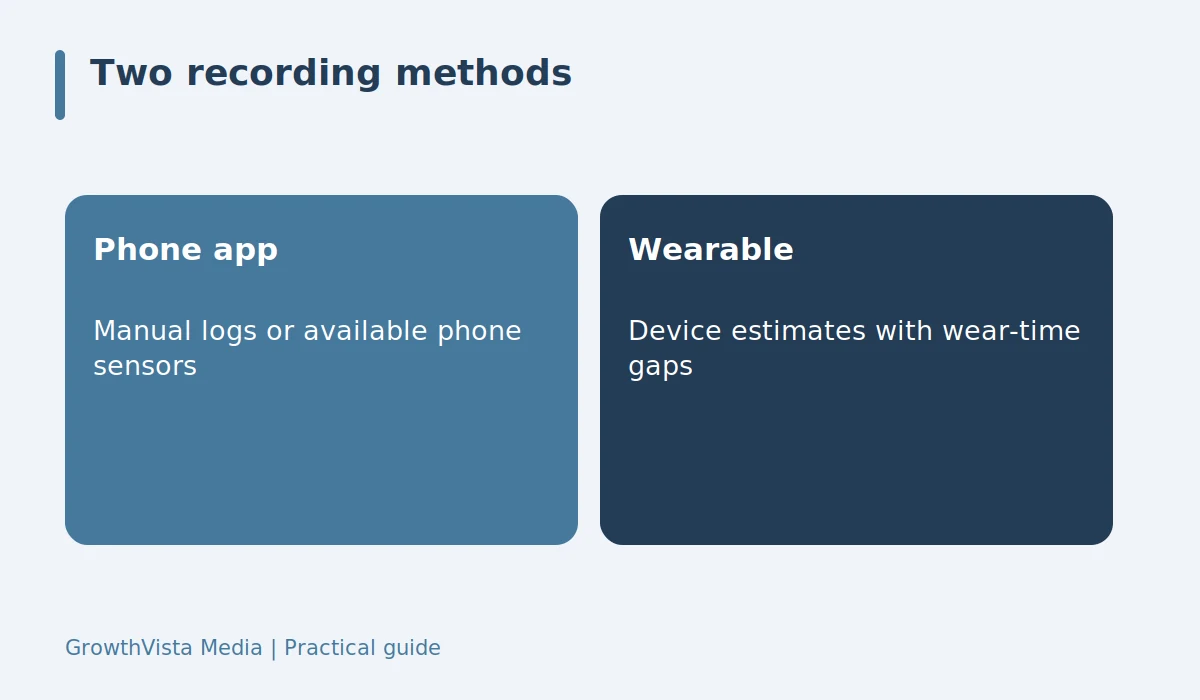
Fitness apps vs wearables is a comparison of recording methods and practical use. A phone app can log activity manually or through phone sensors. A wrist device can collect additional estimates, but more numbers are not automatically more useful. Start with the decision you want the data to support, and keep consumer estimates separate from medical assessment.
Choose the question before the device
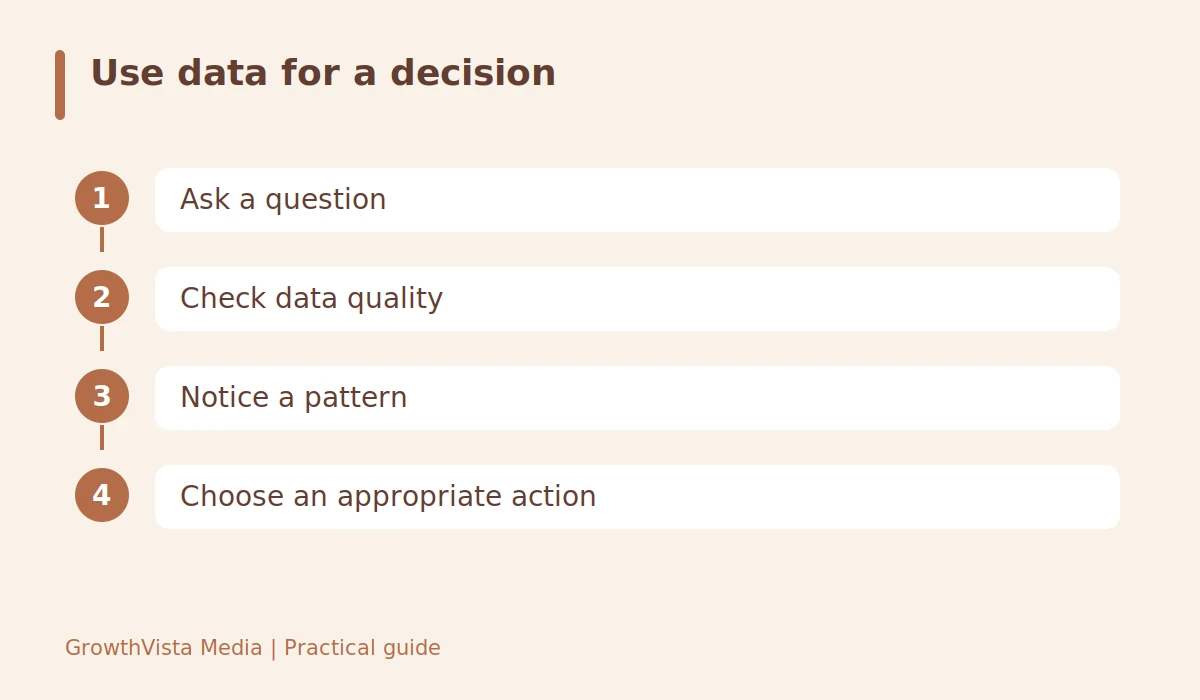
Do you need a record of sessions, a reminder to move, or a view of activity timing? A manual log may answer some questions adequately. A device may be convenient when automatic collection matters. Avoid paying for a measurement that has no role in your plan. The useful metric is one that changes a sensible action.
Fitness apps vs wearables on completeness
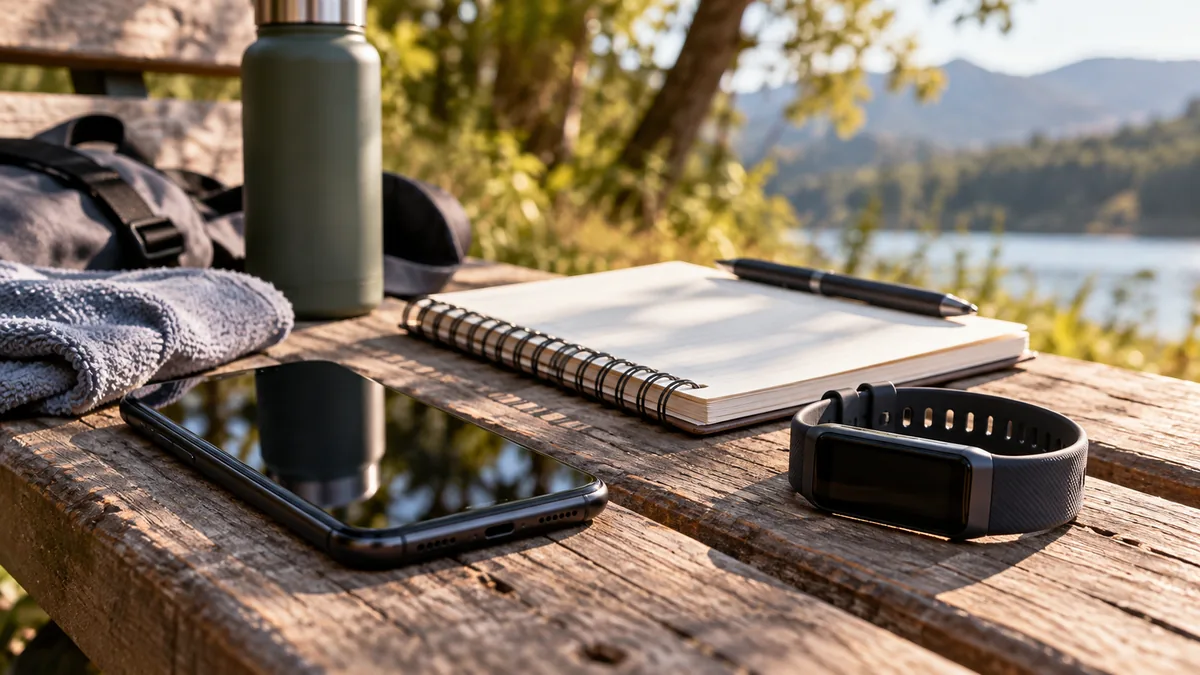
A phone only records what its sensors and access allow, and it may not be carried for every activity. A wearable also has gaps when removed or uncharged. Check how the service handles missing data and different activities. A smooth dashboard can conceal incomplete records. Compare the routine, not just the display.
One question, two recording methods
A fictional walker wants to know which days include a planned walk. A phone log and a wrist device can both help answer that question, with different effort and missing-data risks. The walker does not need to interpret a calorie estimate as a food allowance. The example shows that a specific practical question can be answered without assuming the most expensive device is necessary.
Treat estimates as estimates
Step counts, calorie estimates, heart-rate readings, and sleep summaries can vary by device and conditions. Changes in fit, activity, or software can affect readings. Consumer data can help notice patterns but does not establish a diagnosis or precise energy need. If a symptom is concerning, seek care rather than use a reassuring score to dismiss it.
Include comfort, upkeep, and privacy
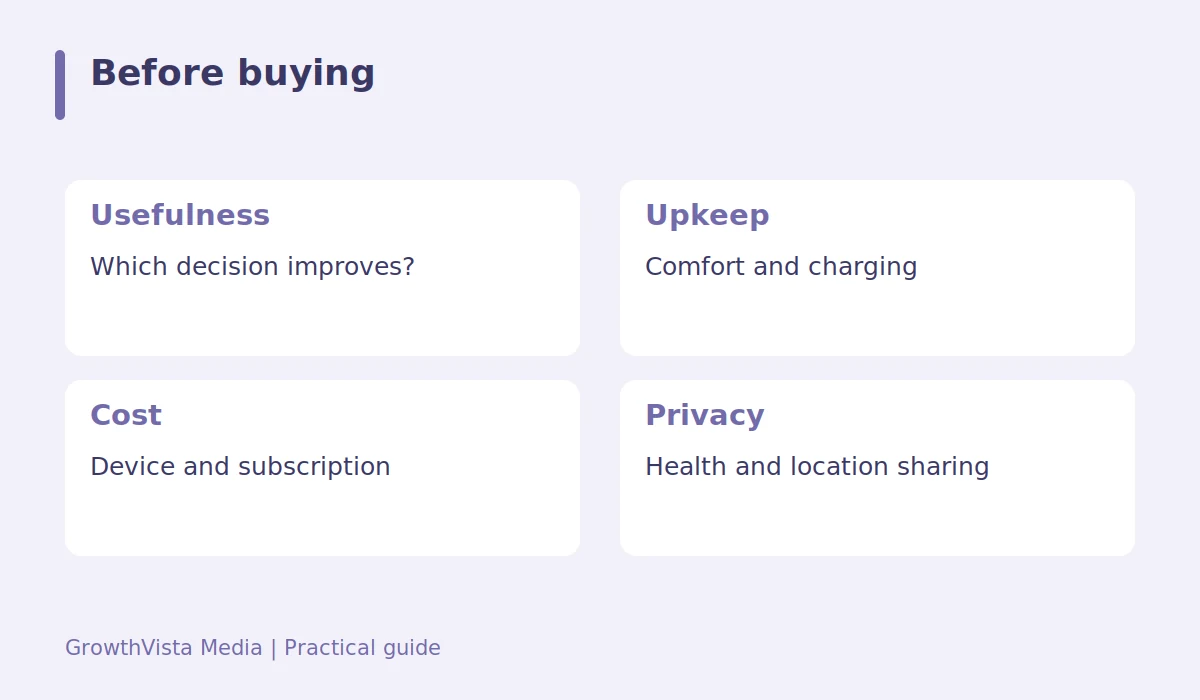
A device that is uncomfortable or often uncharged may not be used consistently. Compare battery routine, durability needs, subscriptions, and data sharing. Health and location information can be sensitive. Review permissions and connected services. The purchase price may be only part of the cost if useful features require a paid plan.
Review whether the information helps
After a trial, ask what action changed because of the data. A weekly session pattern can be more useful than an exact calorie estimate. If the numbers create anxiety or encourage unsuitable activity, simplify the tracking. Use the device to support an appropriate routine rather than make the routine serve the device.
Questions readers ask
Are wearable calories exact?
No. They are estimates and can vary. Do not treat them as a precise measure of energy needs or a medical result.
Can a phone app be enough?
Yes, for some recording tasks. Compare the question, data gaps, and effort rather than assuming more sensors are always needed.
Should I ignore symptoms if the score is good?
No. A consumer score does not replace assessment. Concerning symptoms deserve appropriate professional advice.
Your next steps
- Define the decision the data should support.
- Check what is collected and what is missing.
- Treat numerical estimates cautiously.
- Compare comfort, upkeep, and recurring cost.
- Review privacy and actual usefulness after a trial.
Related guides: Fitness Routine: Start Small and Build a Usable Week · Walking for Exercise: Pace, Routes, and a Repeatable Routine · Sleep Tracking App: Read Patterns Without Chasing Scores
Further reading
Editorial update: October 12, 2026. General educational information, not diagnosis or individualized treatment. Examples are illustrative; consult an appropriately qualified professional for personal health questions.