Weight Loss Program: 8 Questions Before You Pay

A weight loss program can offer structure, but a polished sales page does not show whether it is suitable for you. Ask about the approach, qualified support, total cost, and evidence behind the claims. Avoid choosing from dramatic testimonials alone. Medical circumstances, eating history, and personal needs can change what is appropriate.
Ask who is responsible for the guidance
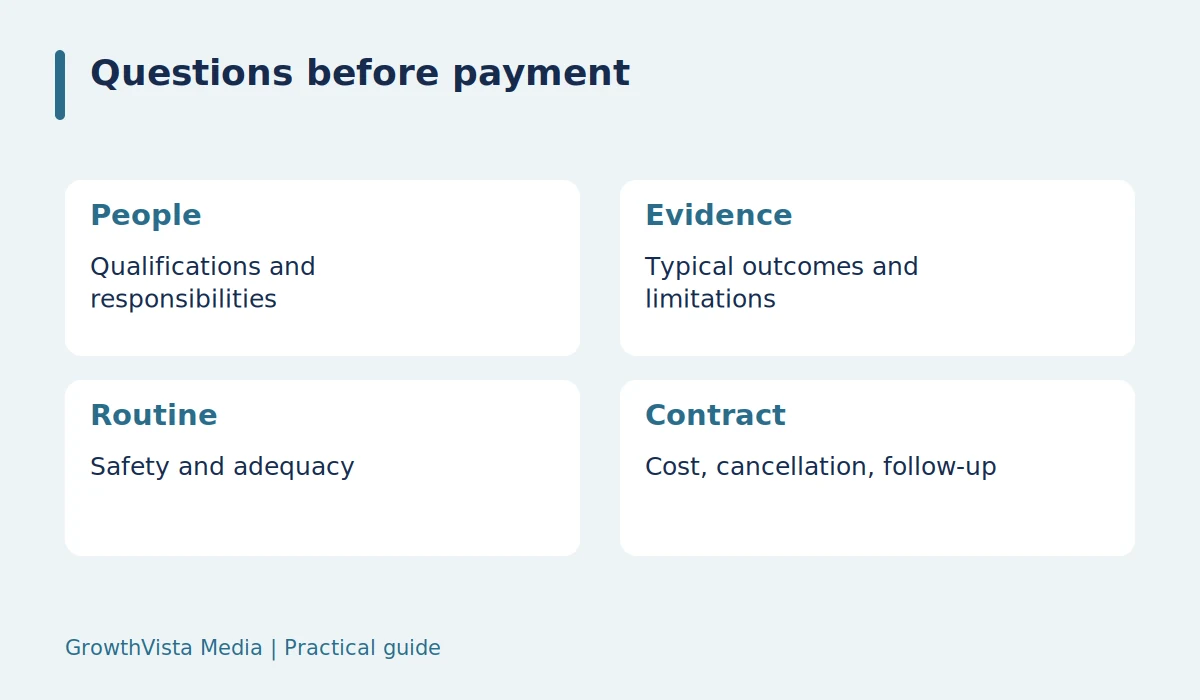
Identify the qualifications and role of the people designing and delivering the service. Coaching, nutrition advice, and medical treatment are different services. Ask how the program handles health conditions, medications, and symptoms. A title or attractive profile does not establish the scope of practice. Know who to contact when advice conflicts with existing care.

A weight loss program needs explainable evidence
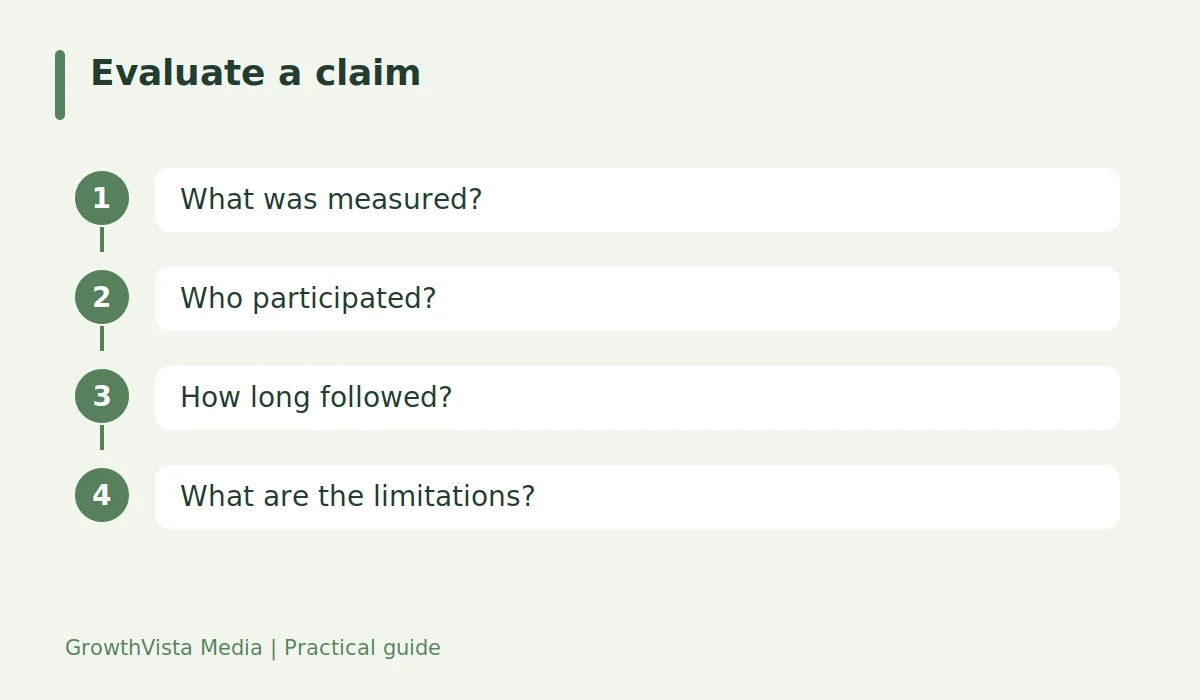
Ask what outcomes were measured, over what period, and in which participants. A testimonial does not show typical results or what happened to people who left. Check whether claims distinguish weight change from health improvement. Promises of a certain result for everyone deserve scrutiny. Reliable evidence should describe limitations rather than hide them behind a guarantee.
Review the actual eating and activity requirements
Request a sample of the routine before committing. Check whether it requires severe restrictions, special products, or activity unsuitable for your abilities. Adequate nutrition and a tolerable routine matter. If the plan includes medication, that requires appropriate clinical assessment and follow-up; a general lifestyle article cannot determine whether a treatment is suitable.
Calculate the complete commitment
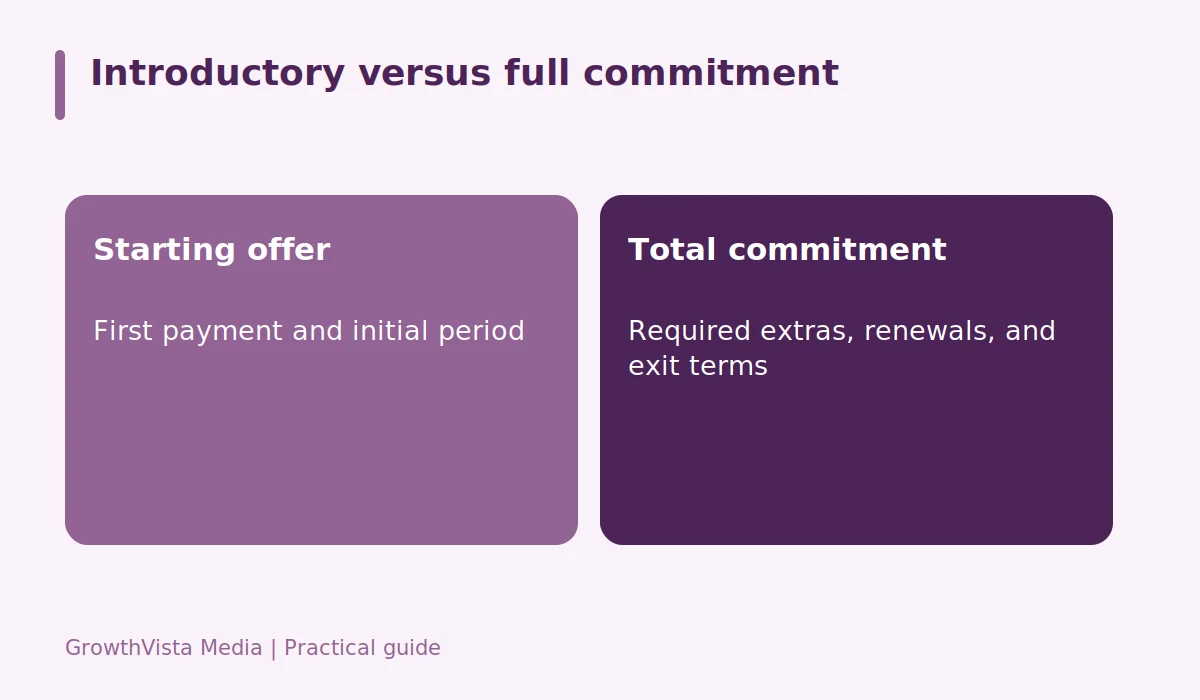
Include membership, food or supplement purchases, consultations, equipment, renewals, and cancellation terms. Ask whether prices change after an introductory period. The cheapest starting offer can still become expensive. Compare support frequency and access, not just the first payment. Keep the contract and payment records so the commitment remains clear.
Ask what happens when the paid period ends
Find out how the program supports maintenance, transitions, and setbacks. A plan that can be followed only while buying a proprietary package may not fit long-term life. Review privacy and data-sharing terms if an app collects health information. Choose a service whose limits, costs, and follow-up can be explained before payment.
A written comparison before checkout
A fictional reader asks two services for a sample routine, staff qualifications, full three-month cost, cancellation terms, and follow-up details. One cannot explain what its success claim measures. The reader records that uncertainty rather than accepting the testimonial as evidence. This is a due-diligence example, not an endorsement or a claim that either service produces a particular outcome.
Questions readers ask
Are before-and-after photos enough evidence?
No. They do not describe typical results, follow-up, participant selection, or the experience of people who left the program.
Should the program replace my clinician?
No. Existing care and health circumstances should be considered with appropriate professionals, especially when medication or a medical condition is involved.
What cost should I compare?
Use the full period and all required extras, including renewals and cancellation conditions. Keep introductory and ongoing prices separate.
Your next steps
- Verify qualifications and service scope.
- Ask how results were measured.
- Review dietary and activity requirements.
- Calculate full costs and cancellation terms.
- Check maintenance support and data privacy.
Related guides: Weight Management Habits: Build Changes You Can Maintain · Portions: Understand Amounts Without Strict Tracking · Health App: 8 Privacy Questions Before Sharing Data
Further reading
Editorial update: October 12, 2026. General educational information, not diagnosis or individualized treatment. Examples are illustrative; consult an appropriately qualified professional for personal health questions.